What does satinflower mean?
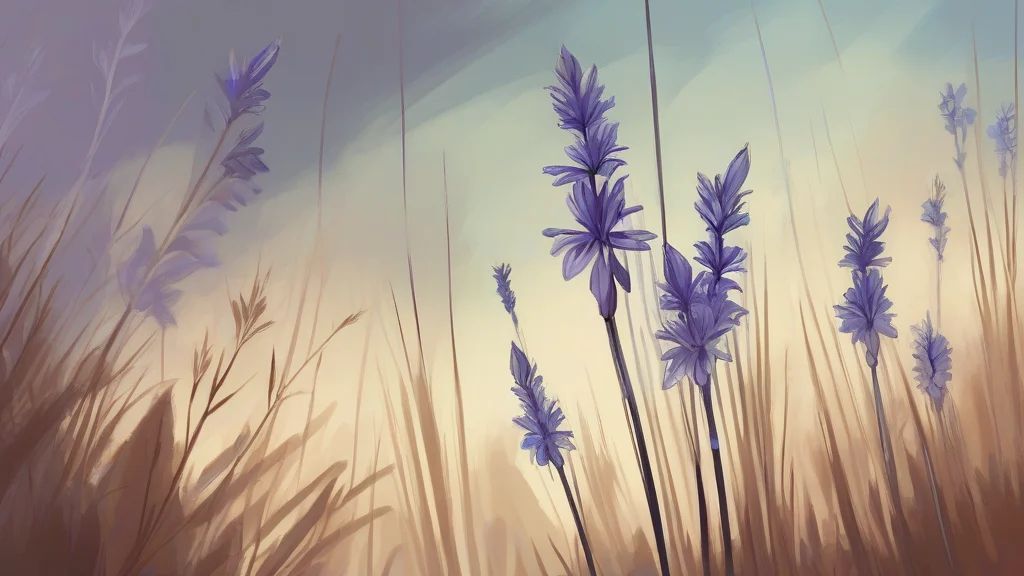
Satinflower refers to a type of flowering plant, specifically a species of Camassia, native to North America. It has blue or purple flowers and is often found in meadows and prairies. The plant is also known as wild onion, prairie camass, or blue camass. Satinflower is a useful word for botanists, horticulturists, and nature enthusiasts, as it helps to identify and describe this particular species of plant. The word is used in both formal and informal contexts, and its usage is not limited to any specific region or dialect.
nounA type of flowering plant, specifically a species of Camassia, which is native to North America and has blue or purple flowers.
- A type of flowering plant
- A specific species of Camassia
"The satinflower bloomed beautifully in the meadow, its delicate petals swaying gently in the breeze."
"The satinflower bloomed beautifully in the meadow."
"The hikers admired the satinflower's vibrant blue color."
Use as a countable noun.
"The meadow was filled with numerous satinflowers."
Reviewed by Deb Chak, Editor. AI-assisted content curated by RJS Tech Solutions LLP.
Etymology of satinflower
The word 'satinflower' is derived from the plant's appearance, with 'satin' likely referring to the smooth texture of its petals and 'flower' referring to its showy blooms. The genus name 'Camassia' comes from the Nez Perce word 'camass', which refers to the edible bulbs of the plant.
How satinflower is actually used
Formal and informal usage; often used in botanical and horticultural contexts.