
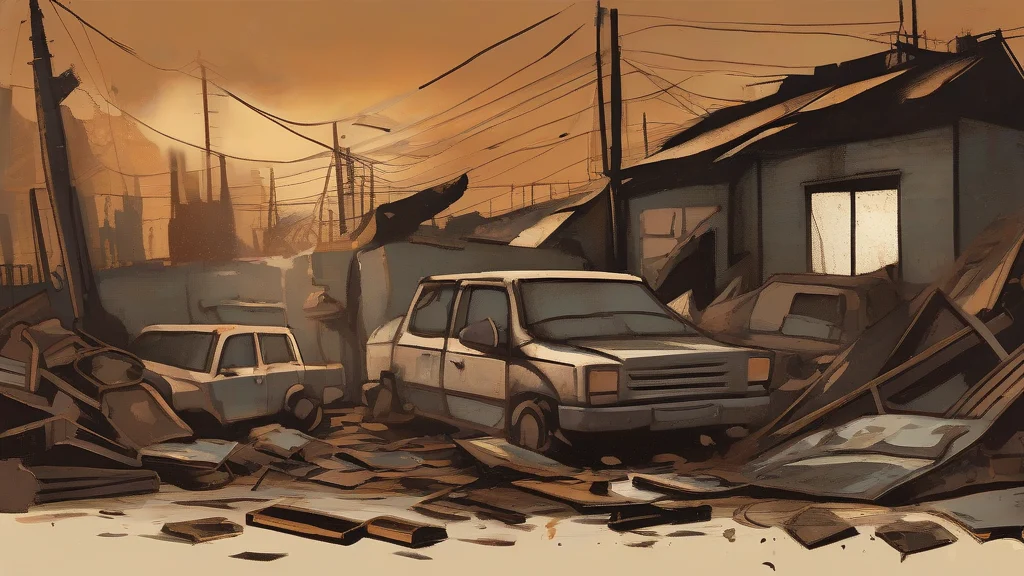
What does scrapping mean?
Scrapping is the process of discontinuing, cancelling, dismantling, or disposing of something that is obsolete, unsuccessful, or no longer useful. The word is especially common in discussions of government programmes, projects, systems, vehicles, and industrial equipment. In political and organisational contexts, scrapping a scheme usually means bringing it to an end rather than merely suspending it for a later revival. In shipping and manufacturing, it can refer to dismantling an old vessel or machine and recovering materials such as steel for reuse or recycling. The associated verb, scrap, also means to reject or abandon an undertaking and, in the context of metal and other materials, to discard it as waste. Scrapping therefore suggests decisive rejection or disposal, often accompanied by the idea that something has become obsolete or unusable. Although the word can sound technical or institutional, it is also used in ordinary reports about public policy, business, and infrastructure.
The process of cancelling, abandoning, or dismantling something obsolete or considered no longer useful.
"The decision to postpone the scrapping of the aircraft has prompted calls for a new review."
The countable use is uncommon; the word usually appears as an uncountable process noun.
Cancels or abandons a programme or undertaking, or dismantles an object or structure for disposal or recycling.
"The government scrapped the pilot scheme after the trial produced disappointing results."
This is the present participle of scrap.
Usually uncountable when referring to the act or process; the plural is rare.
"The site was cleared of loose metal and other scrappings."
A ship can be “scrapped” as a noun and “scrapped” as a verb: the process is called scrapping, while the vessel itself becomes a ship for scrapping.
Reviewed by Deb Chak, Editor. AI-assisted content curated by RJS Tech Solutions LLP.
Where does scrapping come from?
Scrapping derives from scrap, a word connected with the idea of small discarded pieces and, by extension, with discarded or rejected material. The verb scrap originally developed in the context of reducing objects to pieces or collecting discarded materials. Its modern sense of abandoning or cancelling something became established during the 20th century, while ship scrapping and industrial metal recovery retained the older association with discarded matter.
Related word forms
How scrapping is actually used
In British usage, scrapping often refers to cancelling or discontinuing a programme, policy, or project. It can also be used for dismantling vehicles or structures, especially in industrial contexts.
Easily confused with scrapping
Scrapping means discarding or dismantling something, whereas scraping means rubbing or removing material from a surface.
Scrapping is the gerund of scrap, while scrapping can also be a noun referring to the process of discarding or dismantling something.