
What does scrap mean?
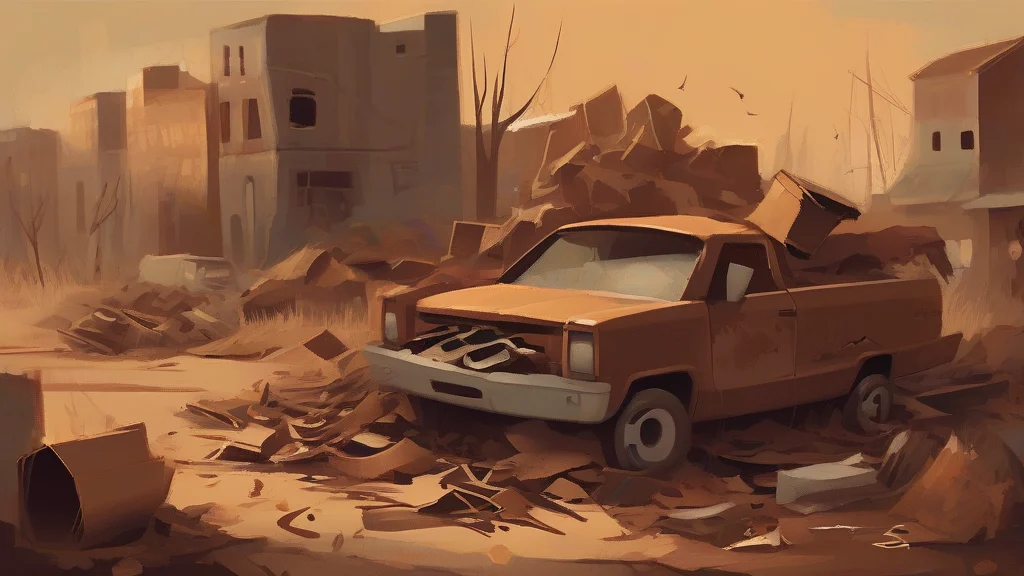
A scrap is a small piece of material, especially a piece that has been discarded or is left over. It can also refer to a tiny quantity of something, as in “a scrap of information,” and, in informal British English, to a fight or argument. As a verb, scrap means to discard, cancel, or abandon something, usually because it is considered obsolete, unsuitable, or no longer worthwhile. The word is also used for the action of removing material from a surface by rubbing it with a sharp or rough edge. In everyday use, the noun often appears in phrases such as “a scrap of paper” or “scraps of food,” while the verb is common in business and public affairs: organisations scrap plans, governments scrap regulations, and companies scrap products. Its range from insignificant fragments to entire discarded projects gives it a memorable combination of literal and figurative force.
A small, often discarded piece of material; a tiny amount of something; or, chiefly in British informal use, a fight or quarrel.
"There was not a scrap of evidence to support the accusation."
The meaning “fight or argument” is informal and chiefly British.
To discard, abandon, or cancel something because it is obsolete, unsuitable, or no longer wanted.
"The council decided to scrap the proposal after the consultation."
Also used with the older sense of removing material by scraping a surface.
The usual plural is “scraps.” Expressions such as “a scrap of paper” and “a scrap of information” are normally singular, even though the material or information may be divided into many small pieces.
"She gathered the scraps of paper from the floor and put them in the recycling bin."
From tiny scraps of paper to the sudden cancellation of an entire project, one word carries both the smallest remnants and the complete abandonment of something larger.
Reviewed by Deb Chak, Editor. AI-assisted content curated by RJS Tech Solutions LLP.
Etymology of scrap
The noun comes from Middle English, where it referred to a small piece or fragment, and its deeper origins are associated with an Old Norse word related to the English verb scrape. The verb meaning “to discard or abandon” developed later from the idea of throwing away material as waste. The related words scrape and scratch preserve the older sense of rubbing, grazing, or removing material from a surface.
Related word forms
How scrap is actually used
The noun is common in expressions such as “a scrap of” and “bits and scraps.” “Scrap” meaning a fight is informal and especially associated with British English, while the verb meaning cancel or abandon is standard in formal and informal contexts. The sense meaning to scrape a surface is less common than the modern senses of discarding or cancelling.
Easily confused with scrap
A scrap is a discarded or tiny piece of material, whereas a scrape is an act of rubbing or cleaning a surface with something sharp or rough.