What does shrapnel mean?
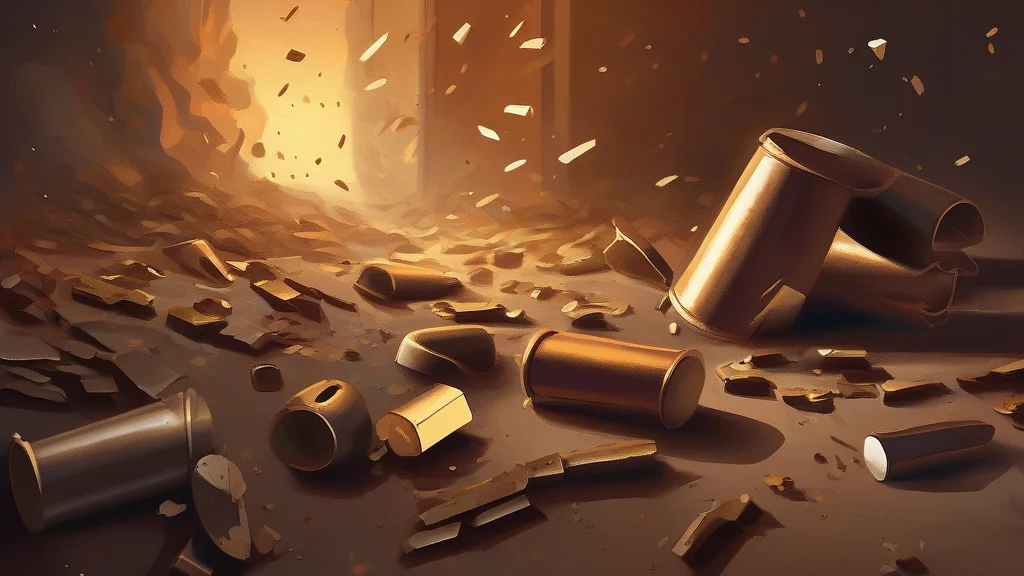
Shrapnel refers to the fragments of metal that are scattered by an explosion, such as bullets or shell fragments. The term can describe both the pieces of metal and the damage they cause, often in the context of war, terrorism, or industrial accidents. Shrapnel can cause severe injuries, including lacerations and puncture wounds. The word is commonly used in news reports and military contexts to describe the aftermath of an explosion. Understanding the meaning of shrapnel is important for grasping the consequences of violent events. The term has been in use for centuries, dating back to the early days of modern warfare. Overall, shrapnel is a significant concern in situations where explosive devices are present.
nounShrapnel refers to fragments of metal, such as bullets or shell fragments, scattered by an explosion. It can also describe the pieces of shrapnel themselves.
- Fragments of metal scattered by an explosion
- The pieces of shrapnel themselves
"The soldier was hit by shrapnel during the battle and suffered severe injuries."
"The area was littered with shrapnel from the explosion."
"The soldier's wounds were caused by shrapnel from the bomb."
Shrapnel is often used as a mass noun and does not have a standard plural form.
Reviewed by Deb Chak, Editor. AI-assisted content curated by RJS Tech Solutions LLP.
Etymology of shrapnel
The word 'shrapnel' originated from the name of Henry Shrapnel, a British officer who invented a type of explosive shell in the early 19th century. The term 'shrapnel' has been in use since the 1820s to describe the fragments of metal scattered by such shells. Over time, the meaning of the word has expanded to include any fragments of metal caused by an explosion.
How shrapnel is actually used
Shrapnel is often used in the context of war, terrorism, or industrial accidents. It can be used to describe both the fragments themselves and the damage they cause.