
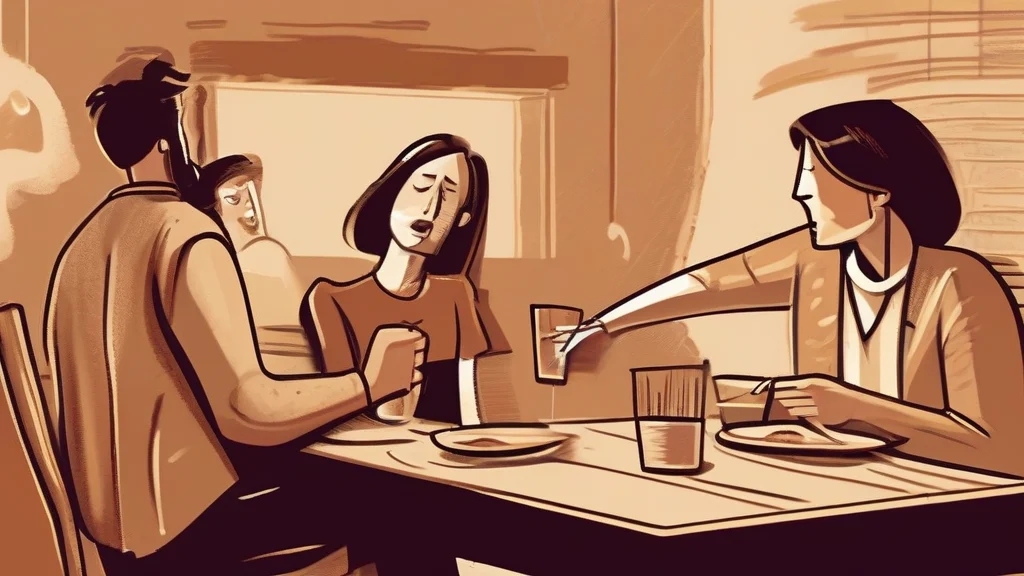
What does smacking mean?
“Smacking” can denote a beating or series of blows, especially those delivered with an open hand. By extension, it may mean a severe reprimand, punishment, or telling-off, as in the phrase “give someone a smacking.” The word is also a common form of the verb “smack”: a person may be smacking someone with the hand, loudly kissing someone, or making repeated sounds with the lips in anticipation of food. These uses all share an emphasis on a sharp, sudden, or conspicuous sound. As a noun, “smacking” now sounds somewhat old-fashioned and is frequently metaphorical rather than literal, especially in British usage. As a verb form, it is ordinary in both British and American English. The word is useful because a single form can move readily between physical action, audible description, and figurative criticism.
A beating or series of blows, especially with an open hand; by extension, a severe reprimand or punishment.
"The head teacher gave the disruptive pupil a smacking."
The literal sense is old-fashioned and disciplinary; figurative uses such as a verbal reprimand are more common today.
The third-person singular present and present participle of “smack,” used for striking with a sharp sound, kissing loudly, or making repeated sharp sounds with the lips.
"He was smacking his lips as he waited for dinner."
This is an inflected verb form rather than a separate lexical verb.
The plural is grammatically possible but uncommon; the singular is normally preferred.
"The minister endured several separate smackings from the press."
Smacking can describe a slap, a loud kiss, or the noisy anticipation of a good meal.
Reviewed by Deb Chak, Editor. AI-assisted content curated by RJS Tech Solutions LLP.
Where does smacking come from?
“Smacking” is formed from “smack,” a word attested in early modern English for a sharp blow and for the sound of such a blow. The precise origin of the base word is uncertain, although its sound-based development is widely recognized. The “-ing” form functions as a gerund and present participle and also became a noun for the act of striking.
How smacking is actually used
As a noun meaning a beating or a harsh reprimand, “smacking” has an old-fashioned, disciplinary tone and is often figurative today. As a verb form, it follows the several established senses of “smack,” including an open-handed strike, a loud kiss, and sounds made with the lips.
Easily confused with smacking
Smacking involves striking with the hand or making a sharp lip or kiss sound, whereas snacking means eating small amounts of food between meals.