
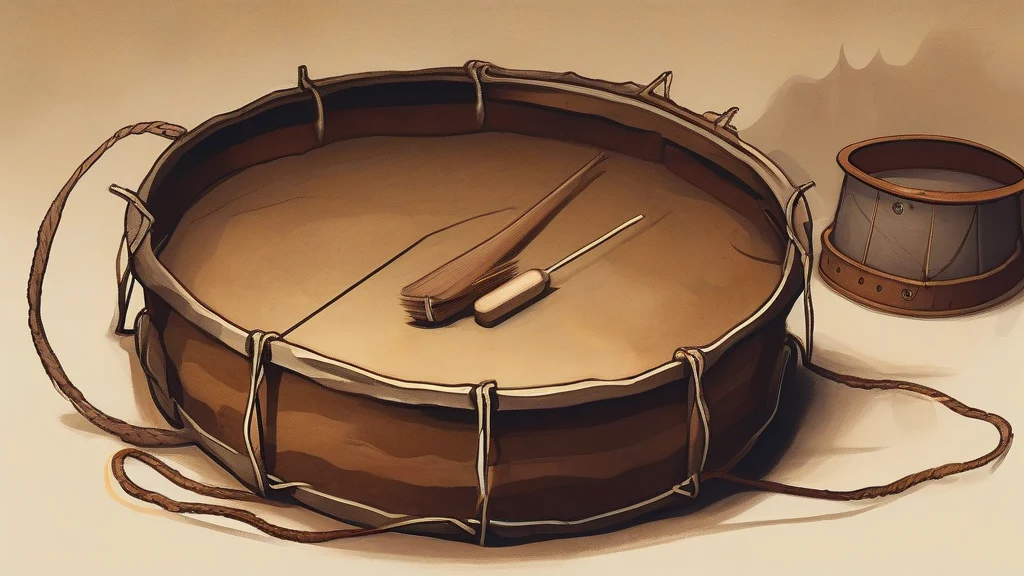
What does snare mean?
Snare has several related uses that all suggest being caught or caught off guard. As a noun, it can describe a trap, especially a noose or wire loop used to catch an animal, though the word may also refer metaphorically to a deceptive means of ensnaring a person. In music, a snare is a small drum fitted with wires across its lower surface; striking it produces the characteristic rattling or buzzing sound associated with many drum kits. As a verb, to snare means to catch, trap, or secure someone or something, often by surprise, force, or deception. The word commonly carries a slightly ominous or strategic connotation: a snare is concealed and waits for its target, while a person who is snared has been captured unexpectedly. Its combination of a physical trapping device, an act of deliberate entrapment, and a loud musical instrument makes it a particularly vivid word in both descriptive and figurative language.
A device, often a noose or wire loop, used to trap an animal or a person; also a small drum fitted with wires that create a rattling sound.
"The hunter set a snare beside the trail."
In music, the word may refer to the snare drum or more generally to that drum's characteristic sound.
To catch or ensnare someone or something, especially by deception, force, or surprise.
"The advertisement snared thousands of customers with its unusually low price."
This verb often implies deliberate or unexpected capture and can suggest that the target was lured into a trap.
The plural snares can refer to multiple trapping devices or to multiple snare drums.
"The hunters checked their snares before sunrise."
The same word names both a trap and a drum: one catches you quietly, while the other rattles loudly.
Reviewed by Deb Chak, Editor. AI-assisted content curated by RJS Tech Solutions LLP.
Where does snare come from?
The word descends from Old English snare, meaning a trap or noose, and is related to Old Norse snara, “to bind or twist.” The inherited Germanic root also underlies the related English word snarl. The trapping sense developed from the older idea of ensnaring, while the drum sense arose later from the characteristic rattling sound produced by the instrument's wires.
Related word forms
How snare is actually used
As a verb, snare commonly suggests deliberate entrapment and may imply deception, coercion, or an unexpected capture. The noun can refer either to a hunting device or, in music contexts, to a snare drum.
Easily confused with snare
To snare is to catch or entrap, whereas to snarl is to growl or speak angrily.