
What does sphene mean?
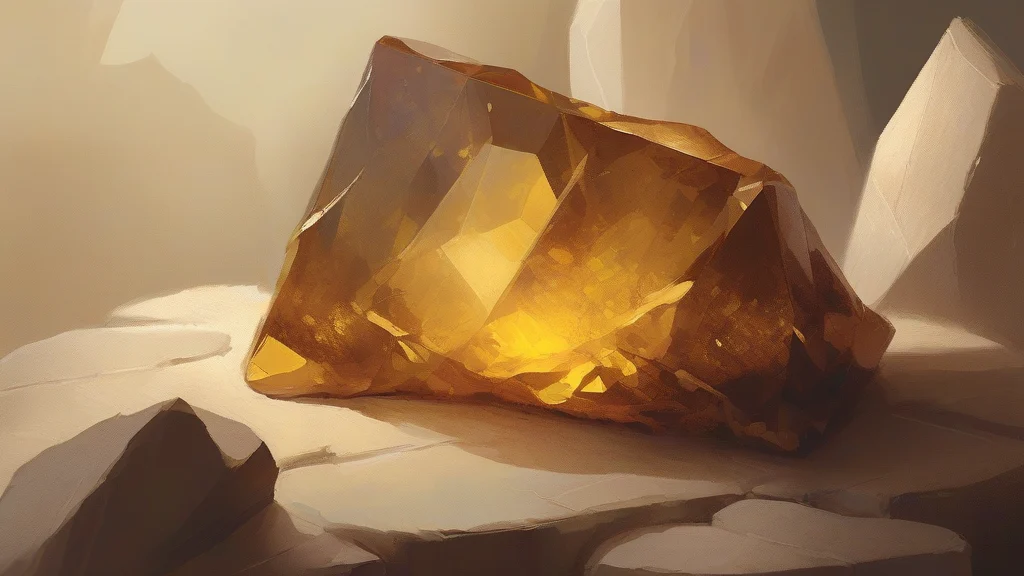
Sphene is an older name for titanite, a calcium titanium silicate mineral that occurs in igneous and metamorphic rocks. It is especially recognizable by crystals that are often wedge-shaped, pointed, or otherwise sharply angular, a feature reflected in its name. Some specimens can be transparent and sufficiently attractive to be cut as gemstones, while others may contain useful inclusions or show distinctive crystal twinning. Although sphene once served as the mineral’s established name, titanite is now the standard term in scientific, commercial, and collecting contexts. The older name nevertheless remains important because it appears in historical descriptions, older mineral references, and the names of some gem varieties. For readers encountering the word in an old publication, the essential point is that it refers to the mineral now called titanite rather than to a separate substance.
nounAn obsolete name for titanite, a calcium titanium silicate mineral noted for its wedge-shaped or sharply pointed crystals.
- An obsolete mineral name for the mineral now generally called titanite, characterized by wedge-shaped or pointed crystals.
"The museum displayed a fine specimen of translucent sphene from the Swiss Alps."
"Sphene crystals occur in certain metamorphic rocks and may be valued as gemstones."
"Geologists studying the deposit referred to the mineral as sphene, following the terminology used in older literature."
The usual plural is sphenes, although mineral names are also sometimes used unchanged when referring to a substance.
"Several unusually sharp sphenes were displayed at the mineral exhibition."
Sphene was named for the Greek word for “wedge,” a reference to the sharply angled form of its crystals.
Reviewed by Deb Chak, Editor. AI-assisted content curated by RJS Tech Solutions LLP.
Where does sphene come from?
The English word was borrowed in the early nineteenth century from New Latin sphene, from Greek sphēn, meaning “wedge.” The name refers to the characteristic wedge-like shape of the mineral’s crystals. The same Greek root also underlies terms such as sphenoid and sphenodon, derived from the related Greek word for a wedge.
How sphene is actually used
Sphene is chiefly encountered in historical geology, mineralogy, and collecting literature. Modern scientific and commercial usage generally prefers titanite.
Easily confused with sphene
Titanite is the modern standard name for the mineral formerly commonly called sphene.