
What does stinger mean?
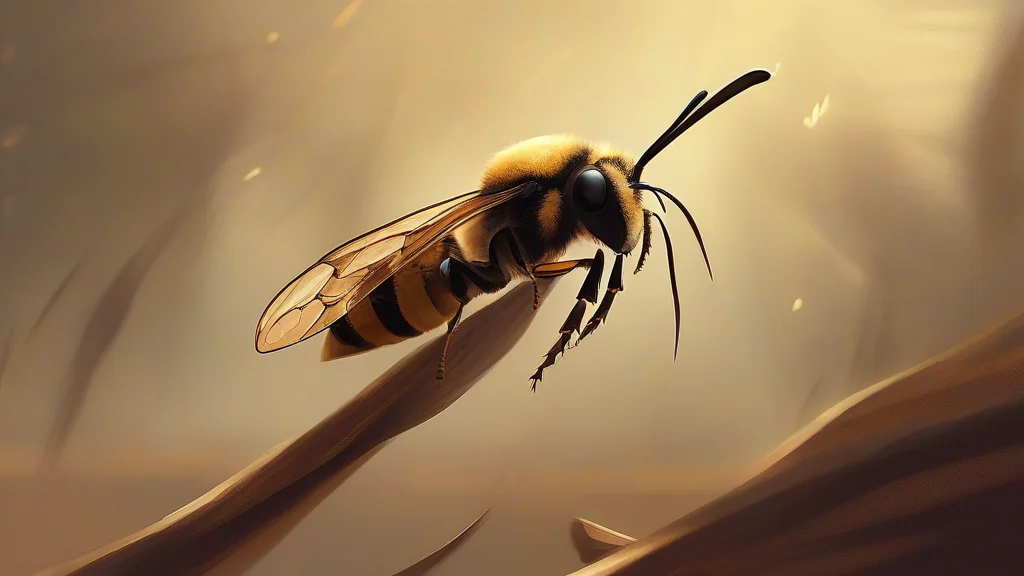
A stinger is, most literally, a pointed structure used by an animal such as a bee, wasp, or scorpion to inject venom. By extension, the word describes any sharp pointed object capable of causing a sting and can be used metaphorically for a sharply critical remark. In modern media language, it may also denote a deliberately provocative image or message intended to attract attention, while in music and film it can refer to a brief, memorable dramatic phrase. The most familiar example is probably a bee's stinger, a modified part of the insect's abdomen. Honeybee stingers are barbed, unlike the smoother stingers of many wasps, and often remain in the skin after the bee has flown away. Because a stinger combines a concrete anatomical object with vivid figurative uses, it can call attention to anything that stings literally or provokes a strong emotional response.
nounA stinger is a sharp, pointed organ or structure, especially that of a bee, wasp, or scorpion, used to inject venom. The word can also denote any pointed object capable of causing a sting, a sharply critical remark, or a provocative image or message intended to attract attention.
- A pointed organ or structure used by an animal, especially a bee, wasp, or scorpion, to inject venom.
- Any sharp or pointed object capable of causing a painful sting or puncture.
- A sharply critical, sarcastic, or provocative remark.
- A deliberately provocative image, headline, or message intended to attract attention.
- A brief, memorable, often dramatic musical phrase associated with a film, programme, or performance.
"The wasp's stinger can deliver venom several times before it becomes blunt."
"The bee left its stinger embedded in the swelling."
"His review contained a stinger that clearly was intended to provoke the director."
The standard plural is “stingers.”
"The insect's stingers were removed before it was examined."
A honeybee's stinger is barbed, so it can often remain behind in the skin after the bee flies away.
Reviewed by Deb Chak, Editor. AI-assisted content curated by RJS Tech Solutions LLP.
Where does stinger come from?
The word derives from Old English stingan, meaning “to sting” or “pierce,” with the suffix -er forming a noun that denotes an instrument or structure performing that action. The suffix had already been widely used in Middle English to create nouns naming agents, instruments, and objects associated with a verb. Related English forms include stingy and stinginess, which developed through the idea of being severe, restrictive, or reluctant to part with money.
How stinger is actually used
The word is neutral when naming an animal's pointed structure or a sharp object. Its figurative use for a hostile remark is often informal and conveys deliberate sharpness or provocation.
Easily confused with stinger
A sting is the act, sensation, or puncture caused by a sharp or venomous point, whereas a stinger is the pointed structure that causes it.