
What does sylvatic mean?
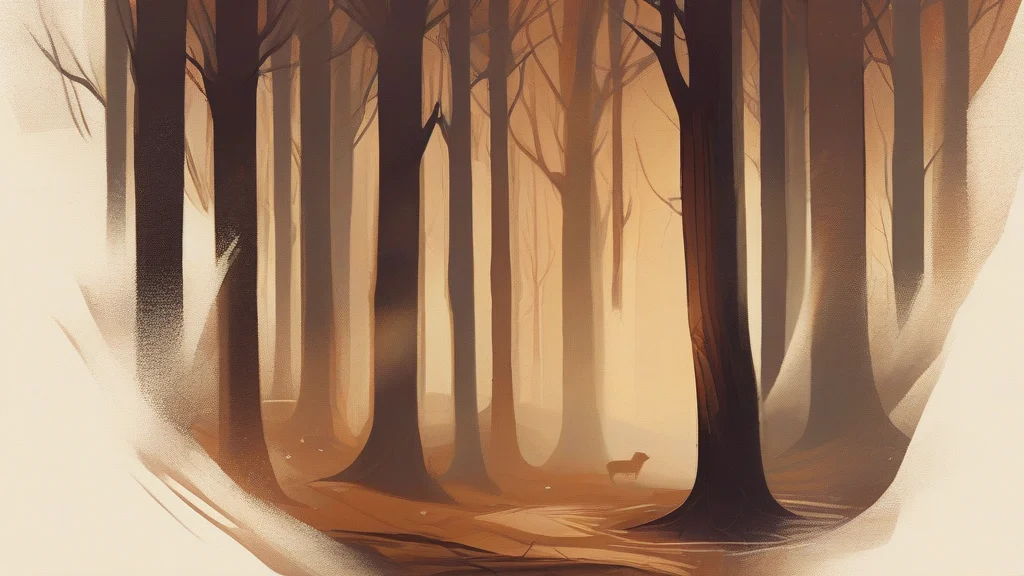
Sylvatic is an adjective meaning connected with woods, forests, or organisms that live in natural woodland habitats. It is especially common in zoology, ecology, and botany, where it distinguishes wild, forest-dwelling populations from domesticated animals, cultivated plants, or organisms associated with human environments. The phrase “sylvatic species” describes species inhabiting forests or other uncultivated woodland settings, while “sylvatic habitat” refers to an environment shaped by natural forest growth. In broader literary and historical usage, sylvatic can evoke wilderness, untamed nature, and the untamed character of forests. Although “wild” can convey a similar idea, sylvatic is more specific and often carries a scientific tone. The word comes through French and Latin from the Latin silva, meaning “wood” or “forest,” the same root underlying words such as sylvan and silviculture.
adjectiveRelating to or characteristic of woods, forests, or wild animals native to such environments. In biological contexts, it contrasts with cultivated, domesticated, or urban forms.
- Relating to or characteristic of forests or woodland.
- Describing a wild animal, plant, or population living in a natural woodland habitat.
- Characterized by uncultivated or natural growth.
"The sylvatic population of the deer has declined as woodland habitats have been fragmented."
"Researchers used the forest edge to study the sylvatic behavior of the foxes."
"The botanist compared the sylvatic variety with the cultivated form found in gardens."
A sylvatic animal is one that belongs to the forest rather than the farm.
Reviewed by Deb Chak, Editor. AI-assisted content curated by RJS Tech Solutions LLP.
Where does sylvatic come from?
Sylvatic entered English through French sylvatique and ultimately derives from Latin sylvaticus, meaning “of the woods” or “forest-related.” The Latin adjective was formed from silva, meaning “wood” or “forest.” The same root appears in English words such as sylvan, sylvic, and silviculture.
Related word forms
How sylvatic is actually used
Chiefly used in zoology, ecology, and botany. It is more technical than the general words “wild” or “forest-dwelling” and is often used to distinguish naturally occurring organisms from domesticated or cultivated ones.
Easily confused with sylvatic
Sylvatic typically describes a wild organism or condition associated with forests, whereas sylvan more often means relating to woods or woodland landscapes.