
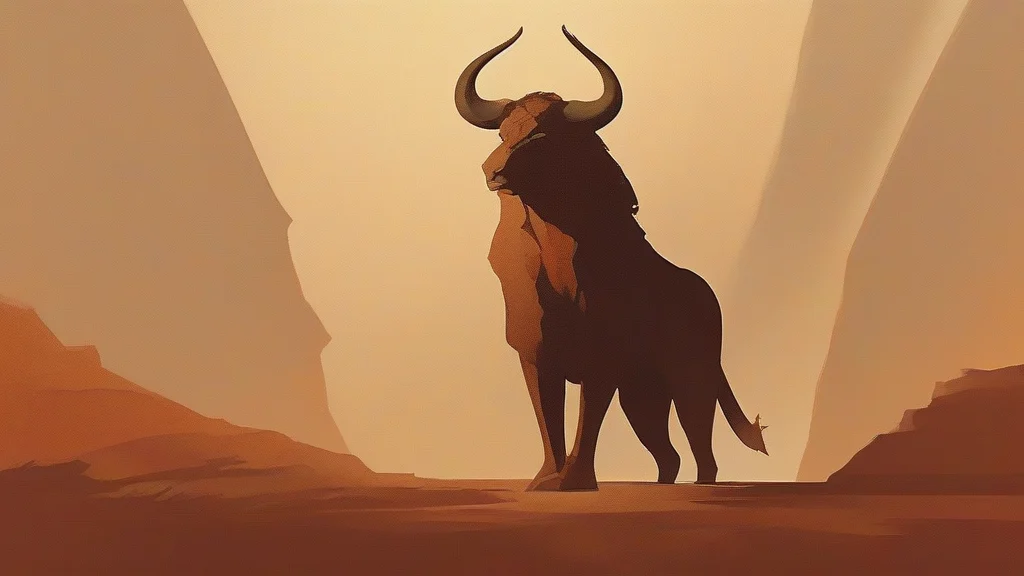
What does tamer mean?
Tamer has two established uses. As a noun, it means a person who trains and handles wild, powerful, or difficult animals, especially horses; in this sense, animal trainer and horse trainer are common modern equivalents. The word can suggest patience, skill, authority, and an ability to control without force, though it may also evoke older circus imagery when applied to lion or tiger tamers. As an adjective, tamer is the comparative of tame. It describes something less wild, aggressive, or unruly and therefore more manageable or docile, as in a tamer horse or a tamer version of a proposal. In everyday use, the noun is somewhat literary or dated compared with trainer, but it remains effective when the relationship between the person and the animal is central. The adjective is less common than tamer in conversational English, yet is standard and useful. Together, both senses associate tamer with control, but the noun emphasizes the person who achieves it, while the adjective measures a reduction in wildness.
A person who tames or trains wild or difficult animals, especially horses.
"The tamer guided the mare calmly through the crowded street."
The word has a literary or historical flavor in some contexts; modern usage often favors "trainer" or "animal trainer."
The comparative of tame: less wild or unruly and therefore more manageable or docile.
"They switched to a tamer horse that was comfortable with crowds."
It is standard in both formal and informal English but is less common in speech than the phrase "more tame."
The standard plural of the noun.
"The tamers worked together to prepare the young horses for the exhibition."
A tamer does not merely subdue a wild animal; the word imagines patience and authority turning wildness into trust.
Reviewed by Deb Chak, Editor. AI-assisted content curated by RJS Tech Solutions LLP.
Where does tamer come from?
The adjective tamer is the comparative form of tame, while the noun was formed with the agentive suffix -er to mean "one who tames." Tame descends from Old English tam and ultimately from Latin domitare, meaning "to tame." Related Germanic forms include German zahm and the Dutch and Danish tam, all meaning tame or domesticated.
How tamer is actually used
The noun is somewhat literary or old-fashioned today, especially in expressions such as "lion tamer"; "animal trainer" or "horse trainer" is often more natural in modern usage. The adjective is standard but less frequent in conversation than "more tame." Non-rhotic British speakers may pronounce the word /ˈteɪmə/.
Easily confused with tamer
A tamer trains or controls animals, whereas a temper can refer to a person's state of mind or the process of moderating a material.