
What does threshing mean?
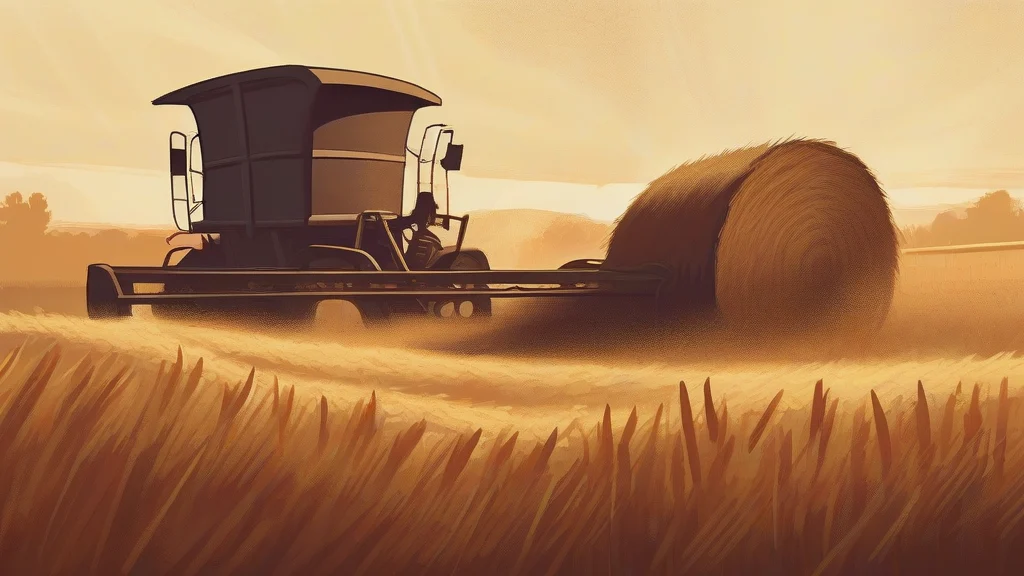
Threshing most directly means separating useful grain from the stalks or husks of harvested crops. Before powered machinery, farmers commonly used a flail, a jointed wooden implement swung so that one part struck another against the grain. In modern agricultural settings, a threshing machine performs the same task on a much larger scale. The word can also describe a severe beating or flogging, a usage that is now literary or archaic. In another figurative sense, “threshing out” means examining a problem through discussion, although “thrash out” is more usual in contemporary English. Across these meanings, threshing suggests vigorous physical effort: breaking apart plant material, striking repeatedly, or working through a difficult subject. The word is especially useful for understanding rural history and traditional farming, while also offering a memorable example of how an ordinary agricultural process can develop both literal and figurative meanings.
To separate grain or seeds from harvested stalks or husks by beating or using a threshing machine.
"Workers threshed the barley in the barn."
Common in agricultural and historical contexts; the verb is often used in the present participle or gerund form.
To beat or flog someone repeatedly or severely.
"The old story describes a cruel king who threshed his prisoners."
Literary and somewhat archaic in modern English, though still readily understood.
To discuss, examine, or work out a problem or issue, especially in the phrase “thresh out.”
"We threshed out the plan over several meetings."
The expression is informal; “thrash out” is generally more common.
The process or work of separating grain from harvested stalks or husks.
"Threshing continued until the entire harvest had been processed."
Usually used as an uncountable process noun.
Rare and usually used for repeated or severe beatings; the agricultural process is normally uncountable.
"The horse received several severe thrashings from its owner."
Before threshing machines, separating grain from straw depended on the rhythm of a flail: one loud crack at a time.
Reviewed by Deb Chak, Editor. AI-assisted content curated by RJS Tech Solutions LLP.
Where does threshing come from?
The word comes from Old English þerscan, meaning “to beat” or “to thrash,” a verb associated with separating grain by beating harvested stalks. The modern form threshing is the present participle and gerund of thresh, and the noun threshing names the process. Related forms include thrash, with a similar historical sense of beating, and thresher, now used for a threshing machine and for a kind of shark.
How threshing is actually used
The agricultural sense is traditional and technical but readily understood. The sense meaning “to beat” is literary and can sound archaic or dramatic. “Thresh out” is informal and figurative, while “thrash out” is the more common modern variant.
Easily confused with threshing
Threshing can refer to separating grain from stalks, while thrashing usually means giving someone or something a severe beating.
“Threshing out” means discussing or resolving a matter, not physically beating grain or a person.