
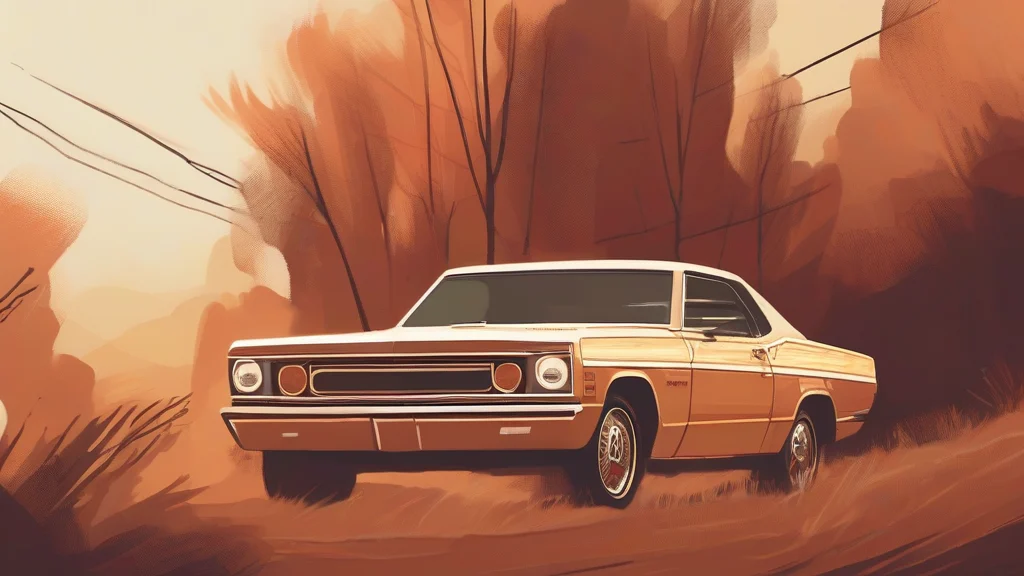
What does throwback mean?
A throwback is a deliberate return to an earlier style, idea, practice, or era. It may refer to the return itself, to a person or object perceived as old-fashioned, or to a modern work that imitates an earlier period. The word is especially common when discussing fashion, music, film, design, language, and politics, as in "a throwback to the 1970s" or "throwback fashion." Its connotation varies with context: it can express affection and nostalgia, as when describing a song that revives an older musical style, or mild disapproval, as when a policy is characterized as a throwback to an obsolete practice. As an adjective, throwback identifies something created to resemble or recall the past. The term is understood in both British and American English and is clearer and more idiomatic than alternatives such as "retrogression" when the emphasis is on reviving a recognizable earlier style.
A return to an earlier style, practice, or era; a person, object, or design from the past; or the act of restoring or referring to something earlier.
"The television series is a clever throwback to the detective dramas of the 1970s."
The sense describing a revival is now dominant; older uses for a person or thing considered out of date remain established.
Characterized by or deliberately resembling an earlier style or period.
"The classic pumps gave the collection a distinctly throwback appearance."
Common before nouns such as "fashion," "design," "style," and "look."
The regular plural is used for multiple returns to earlier styles or for multiple people or things characterized as belonging to the past.
"The exhibition includes several throwbacks to early mobile-phone design."
A throwback looks backward on purpose: it takes a recognizable style from the past and puts it back into circulation.
Reviewed by Deb Chak, Editor. AI-assisted content curated by RJS Tech Solutions LLP.
Where does throwback come from?
Throwback was formed from the familiar verb phrase "throw back," meaning to return or refer something to an earlier time or state. The compound became established as a noun for a return to a previous style during the mid-20th century and was subsequently extended to describe deliberately nostalgic designs and cultural works. Its components, throw and back, are ordinary English words rather than elements borrowed from another language.
Related word forms
How throwback is actually used
The word is common in discussions of fashion, entertainment, design, and politics. It usually describes a deliberate revival and may be approving, nostalgic, or mildly critical depending on context. Its frequent use as a modifier should not be confused with a separate adjectival form: in phrases such as "throwback fashion," the word may function attributively or as an adjective.
Easily confused with throwback
A throwback revives or imitates something from an earlier period, whereas a flashback is normally a scene that interrupts a narrative to show an earlier event.