
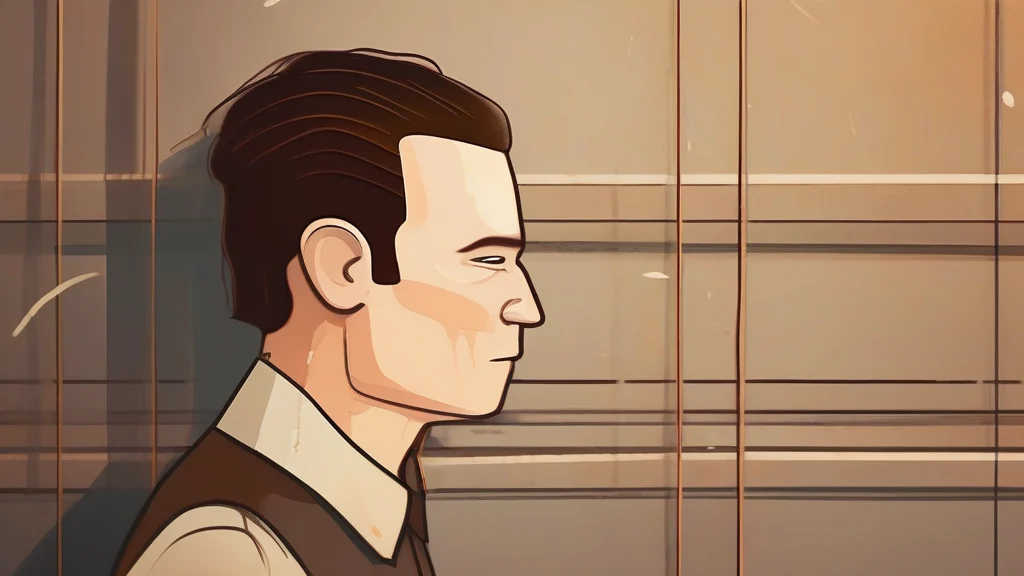
What does toupee mean?
A toupee is a wig or small hairpiece, especially one worn by a man to cover a bald or thinning head. It may also form part of formal historical dress, a theatrical costume, or comic dress-up. The word often carries a dated or mildly mocking tone because toupees are associated with older-fashioned male grooming and conspicuous attempts to disguise hair loss. In modern descriptive use, however, it is especially useful for identifying a costume wig intended to evoke an eighteenth- or nineteenth-century character. A toupee should not be confused with a toupet, a related word best known for a hairstyle or a small piece of hair arranged over the forehead. The distinction can become fuzzy in casual speech, but “toupee” more commonly denotes the whole wig, while “toupet” more commonly denotes the front section of hair. Both words preserve the history of their French source, in which the original term referred to a tuft of hair. The toupee remains a precise term when that specificity matters, identifying a particular kind of wig rather than any general hairpiece or head covering.
nounA man's wig or small hairpiece, especially one worn to cover a bald or thinning head, often as part of a formal, historical, or theatrical costume.
- A wig or small hairpiece worn to cover a bald or thinning head, especially by a man.
- A wig worn as part of a historical, theatrical, comic, or ceremonial costume.
"He donned a powdered toupee and completed his eighteenth-century costume."
"The actor adjusted his powdered toupee before taking the stage."
"She found an old-fashioned toupee in the theater's costume box."
The plural adds -s and refers to multiple individual wigs or hairpieces.
"The museum displayed several antique toupees."
The word that made covering a bald head sound like a period accessory: a toupee began as a French tuft of hair and became an entire disguise.
Reviewed by Deb Chak, Editor. AI-assisted content curated by RJS Tech Solutions LLP.
Where does toupee come from?
Toupee was borrowed from French toupee, an alteration of toupet, which originally referred to a tuft or piece of hair. French toupet developed from toupe, ultimately traced to a Germanic word for a tuft or top that also underlies English top and tuft. The word entered English during the nineteenth century for a wig used to conceal baldness and became especially associated with costume and historical dress.
How toupee is actually used
The word is often old-fashioned or mildly comic and may be used derisively for conspicuous male grooming. It is also used neutrally when discussing historical dress, costumes, or disguises.
Easily confused with toupee
A toupee is a wig or hairpiece, whereas a toupet more commonly denotes a hairstyle or a piece of hair arranged over the forehead.