
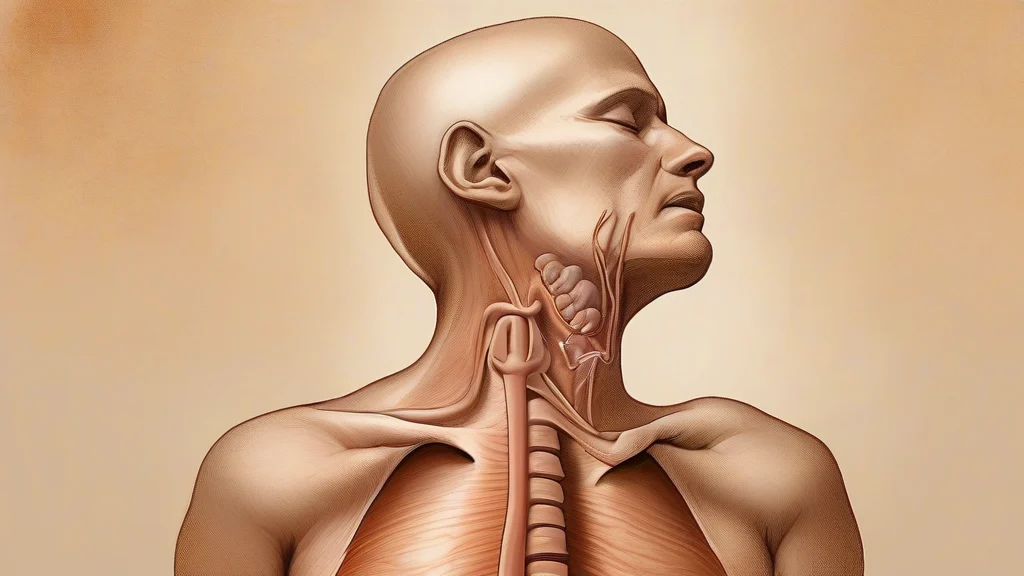
What does tracheitis mean?
Tracheitis is the medical term for inflammation of the trachea, the windpipe connecting the larynx with the bronchi of the lungs. The condition is commonly associated with viral or bacterial infection and may produce a persistent cough, hoarseness, sore throat, noisy or difficult breathing, and fatigue. Because the trachea is a central airway, severe inflammation can make breathing uncomfortable and may require medical attention, particularly in children or people with existing respiratory conditions. In everyday conversation, people may describe the illness as inflammation of the windpipe rather than use the technical name. Tracheitis is distinct from bronchitis, which affects the bronchi, and from laryngitis, which affects the voice box. Recognising the difference helps identify the affected part of the respiratory system and gives the word practical value in medical explanations, health information, and veterinary contexts.
nounInflammation of the trachea, the cartilage-supported airway connecting the larynx to the bronchi. It commonly causes coughing, hoarseness, throat discomfort, and sometimes difficulty breathing, and may result from viral or bacterial infection.
- Inflammation of the trachea, usually associated with an infection and symptoms including cough, hoarseness, throat pain, and breathing discomfort.
"After several days of a persistent cough and hoarseness, she was diagnosed with tracheitis."
"Her symptoms were eventually diagnosed as tracheitis, an inflammation of the windpipe."
"The veterinarian said the dog had bacterial tracheitis, which required antibiotics."
The plural is uncommon. In general writing, 'cases of tracheitis' is usually more natural than 'tracheitides'.
"The clinic reported several cases of tracheitides during the winter."
Tracheitis is inflammation of the windpipe—not the lungs—so a persistent cough can be the loudest clue.
Reviewed by Deb Chak, Editor. AI-assisted content curated by RJS Tech Solutions LLP.
Where does tracheitis come from?
Tracheitis combines trachea, from Latin and ultimately Greek terms referring to the windpipe or rough artery, with the Greek-derived medical suffix -itis, meaning inflammation. The word follows the established pattern of naming an inflamed body structure by adding -itis to its anatomical name. Related terms such as tracheal, tracheoscopy, tracheostomy, and tracheotomy all belong to the same medical and anatomical vocabulary.
Related word forms
How tracheitis is actually used
Tracheitis is primarily a formal medical term, especially in clinical and veterinary writing. It is not generally used figuratively, and it should not be used as a substitute for bronchitis or laryngitis, which affect different parts of the respiratory system.
Easily confused with tracheitis
Bronchitis is inflammation of the bronchi in the lungs, whereas tracheitis affects the trachea, or windpipe.
Laryngitis affects the larynx and is most closely associated with hoarseness, while tracheitis involves the airway below it.