
What does trample mean?
Trample means to tread repeatedly on something, usually with the result of crushing, flattening, or damaging it. The word can describe literal actions, such as people walking through grass or animals trampling crops, and it has a strongly figurative use for showing disregard toward people’s feelings, dignity, rights, or principles. In that figurative sense, “trample on” suggests deliberate or reckless violation, making it more forceful than a neutral phrase such as “disrespect.” The verb is common in British and American English and works in both transitive and intransitive constructions. Although the core meaning is physical, its associations with damage and disregard give it a negative emotional charge, especially when describing treatment of people or social values.
verbTo tread on something repeatedly, usually damaging or crushing it. It can also mean to disregard someone's feelings, rights, or dignity.
- To walk on and crush or damage something underfoot.
- To treat someone's feelings, rights, dignity, or principles with disregard.
"The crowd trampled the grass as they rushed toward the stage."
"Horses may trample the flower beds if the fence is left open."
"The newspaper was accused of trampling on the privacy of the victims."
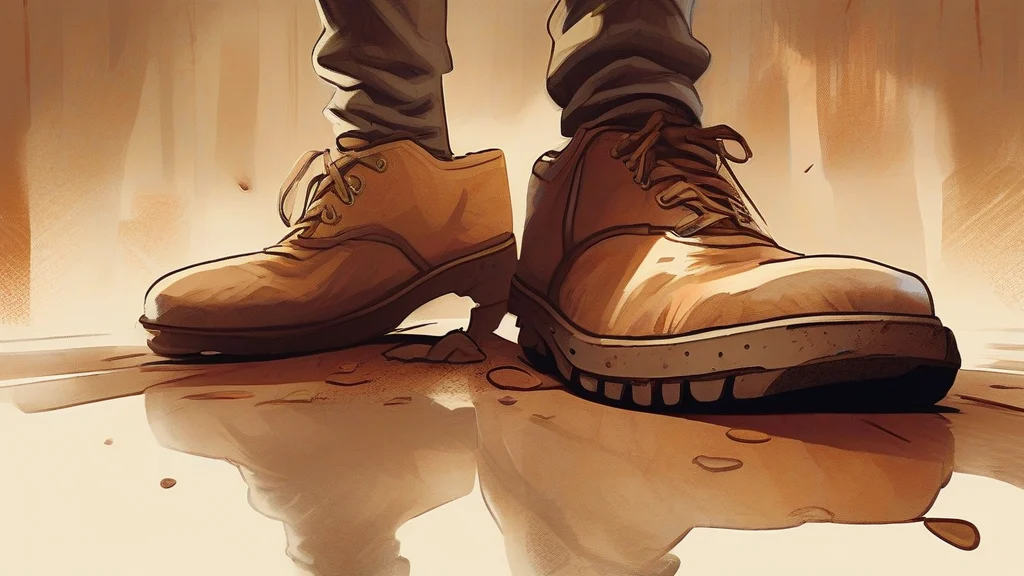
One word can describe a footfall and a moral outrage: to trample is to step on something—or on people’s rights.
Reviewed by Deb Chak, Editor. AI-assisted content curated by RJS Tech Solutions LLP.
Where does trample come from?
The word comes through Middle English from an Old English verb meaning “to tread” or “trample.” It belongs to a Germanic word family that also includes tramp, an older word for walking heavily or trudging; Italian trampolino, the source of trampoline, is related to the same broader root. In English, the verb developed from the physical action of treading underfoot into the figurative sense of disregarding or violating something valued.
Related word forms
How trample is actually used
The verb is commonly transitive, as in “trample the grass,” but it can also be used intransitively, as in “the crowd trampled through the mud.” The figurative sense normally appears with “on” or “upon” and conveys forceful disregard rather than merely accidental contact.
Easily confused with trample
Tread generally means to walk or step on something, while trample more strongly suggests repeated steps that crush, damage, or disregard it.