What does turlough mean?
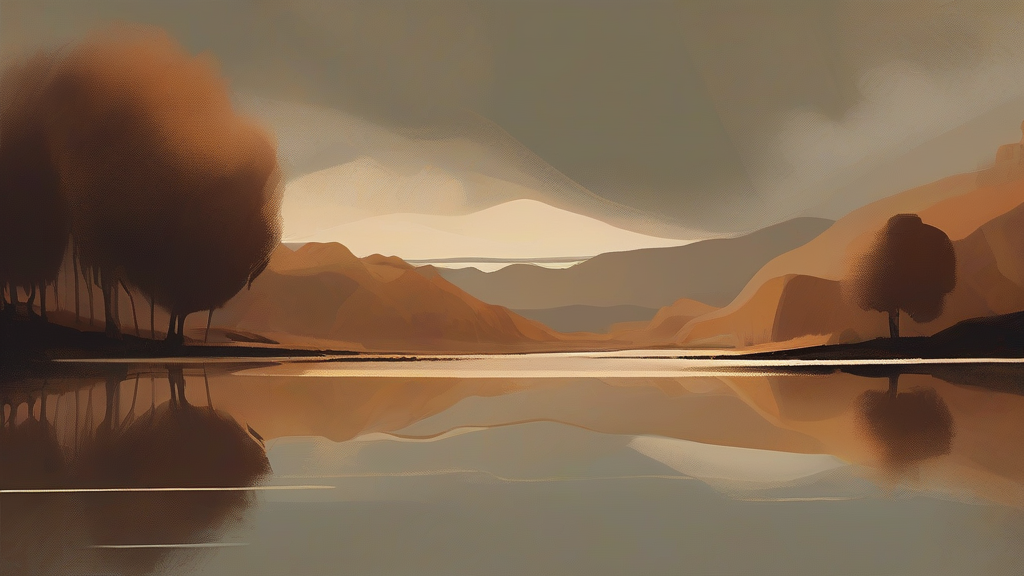
A turlough is a natural depression or hollow in a limestone area, often forming a lake or pool after heavy rainfall. These features are typically found in areas with karst topography and can be seasonal or permanent, depending on the amount of rainfall. Turloughs are popular spots for hiking and birdwatching, and they can provide important habitats for a variety of plant and animal species. In Ireland, turloughs are often associated with the Connemara region, where they are a notable feature of the landscape. Understanding turloughs is important for appreciating the unique geology and ecosystems of these areas.
nounA turlough is a natural depression or hollow in a limestone area, often forming a lake or pool after heavy rainfall.
- A natural depression or hollow in a limestone area.
"The turlough in the Connemara region of Ireland was a popular spot for hiking and birdwatching."
"The turlough in the Connemara region of Ireland was a popular spot for hiking and birdwatching."
"After heavy rainfall, the turlough filled with water, creating a temporary lake."
The plural form 'turloughs' is used to describe multiple turloughs or to refer to turloughs in general.
"The region is home to many turloughs, which are popular spots for hiking and birdwatching."
Reviewed by Deb Chak, Editor. AI-assisted content curated by RJS Tech Solutions LLP.
Etymology of turlough
The word 'turlough' is derived from the Irish language, where it is spelled 'turlach'. This word is thought to be related to the Old Irish word 'turlach', which means 'hollow' or 'depression'. The term 'turlough' has been adopted into English to describe these natural features, which are characteristic of limestone areas in Ireland and other parts of the world.
Usage notes
Turloughs are typically found in limestone areas and are often associated with karst topography. They can be seasonal or permanent, depending on the amount of rainfall in the area.