
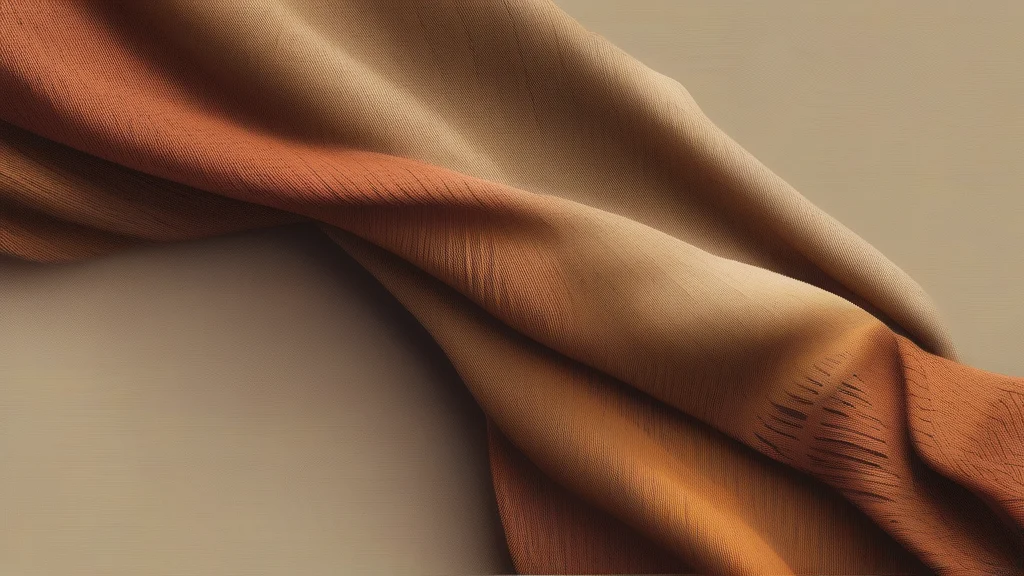
What does twill mean?
Twill is a fabric made with a distinctive diagonal weave, producing lines or ribs that run across the material at an angle. The weave is valued not only for its recognizable appearance but also for the strength and flexibility it can give to cloth. It is especially common in cotton and woolen fabrics used for trousers, workwear, jackets, and other garments designed to withstand regular use. The word can refer either to the resulting fabric or to the weaving method itself. In everyday descriptions, compounds such as cotton twill and twill trousers are more common than the bare noun. Although twill can occasionally be used as a technical verb meaning to weave with a diagonal pattern, its dominant modern use is as a noun describing a textile or weave. It is a familiar term in clothing and textile discussions, but its precise meaning is often understood through the comparison with ordinary plain weave. Its combination of practical durability and a subtle, characteristic pattern makes it a useful word for discussing fabric construction as well as garment design.
A fabric or textile weave with diagonal ribs or lines, formed by interlacing threads in a slanted pattern.
"The coat is made of charcoal woolen twill."
The noun is commonly used before another material or garment name, as in cotton twill and twill trousers.
To weave fabric with a diagonal twill pattern.
"The artisan twilled the wool to give the finished cloth extra strength."
This is a relatively uncommon and more technical use than the noun.
The plural is used when referring to different fabrics, weave patterns, or kinds of twill.
"The shop stocks several twills in natural and dyed colours."
The diagonal ribs of twill are not merely decorative: they help give the fabric strength and flexibility, which is why the weave appears in workwear, jeans, and other hard-wearing garments.
Reviewed by Deb Chak, Editor. AI-assisted content curated by RJS Tech Solutions LLP.
Where does twill come from?
The word entered English through Middle English forms such as twille, developing into the modern textile term twill. Its deeper history is generally associated with Germanic roots connected with the idea of two or a pair, a connection reflected in related forms such as twin and twine. Over time, the word’s meaning developed from a reference to a textile construction into the established names for both the diagonal weave and fabrics made with it.
Related word forms
How twill is actually used
Twill is primarily a textile noun and is common in British and American English. It is often used attributively, as in cotton twill or twill trousers; the verb is less common and generally appears in technical or historical contexts.
Easily confused with twill
Twill is a diagonal-patterned fabric or weave, whereas twine is a strong string, cord, or thread used for tying or binding.
Till is a preposition and conjunction meaning until, or a verb meaning to cultivate or prepare money for use; twill is primarily a textile term.