What does ulnar mean?
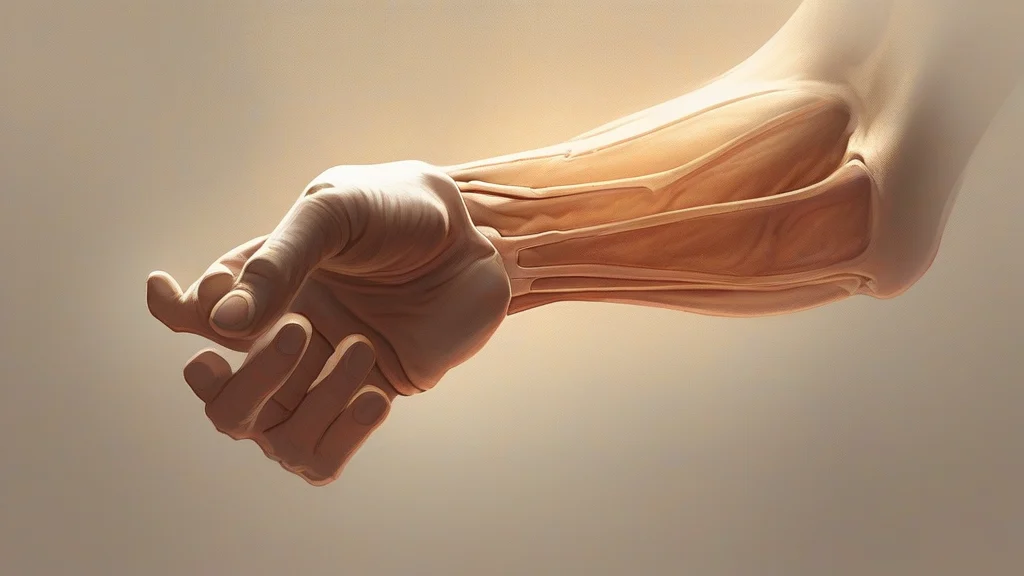
The term ulnar refers to the ulna, one of the two bones in the forearm, and is used to describe structures, conditions, or injuries associated with this bone or the ulnar nerve. The ulnar nerve runs through the elbow and down the forearm, supplying sensation to the ring and little fingers. Ulnar injuries or compression can cause numbness, tingling, or weakness in the hand. In medical contexts, 'ulnar' is a precise term used to diagnose and treat conditions affecting the forearm and hand. Understanding the ulnar nerve and its functions is essential for healthcare professionals, particularly those specializing in orthopedics or neurology.
adjectiveRelating to or associated with the ulna, a bone in the forearm. The ulnar nerve, which runs through the elbow, is a common site for injury or compression.
- Relating to the ulna or ulnar nerve
- Anatomical term for structures associated with the ulna
"The doctor examined the patient's ulnar nerve to determine the cause of the numbness in her hand."
"The ulnar artery runs parallel to the ulnar nerve."
"The patient's ulnar deviation made it difficult to grasp objects."
Reviewed by Deb Chak, Editor. AI-assisted content curated by RJS Tech Solutions LLP.
Etymology of ulnar
The word 'ulnar' originates from the Latin 'ulna', meaning 'elbow' or 'forearm'. The term has been used in English since the 17th century to describe anatomical structures related to the forearm. The ulnar nerve, which is closely associated with the ulna bone, is a key structure in the forearm.
How ulnar is actually used
In medical contexts, 'ulnar' is often used to describe conditions or injuries affecting the ulnar nerve or bone.