
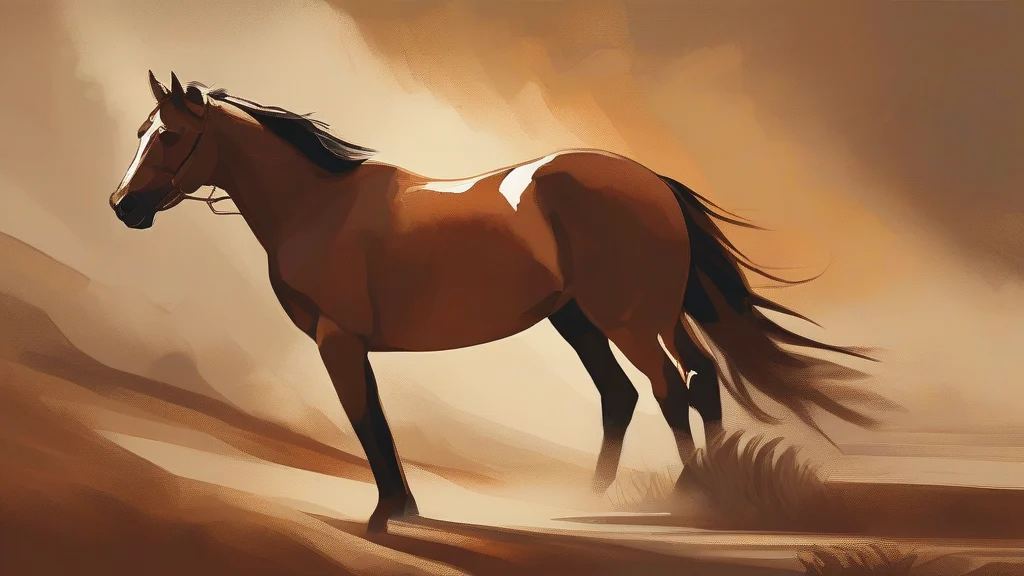
What does unbridle mean?
Unbridle means to remove the bridle from a horse, allowing it to move freely without a rider’s restraint. The word also has a figurative meaning: to release people, ideas, or institutions from control, limitation, or inhibition. In this sense, it often implies a deliberate removal of an external restraint and can convey the excitement of sudden freedom. For example, a writer might describe a reform as unbridling creativity, while a rider might unbridle a horse before releasing it into a field. The verb is used in both British and American English. Its literal sense is especially familiar in equestrian contexts, whereas the figurative sense appears in formal writing, journalism, and political or cultural discussion. The related adjective unbridled describes something not subject to restraint or control.
verbTo remove the bridle from a horse, especially in order to release it. Figuratively, to free someone or something from restraint, control, or limitation.
- To remove the bridle from a horse.
- To free someone or something from restraint, control, or limitation.
"The rider unbridled the horse and allowed it to run freely across the field."
"The groom carefully unbridled the horse before leading it to the stable."
"The new policy unbridled local artists and gave them greater creative freedom."
Unbridle does more than free a horse: it strips restraint from anything held back.
Reviewed by Deb Chak, Editor. AI-assisted content curated by RJS Tech Solutions LLP.
Where does unbridle come from?
Unbridle is formed in English from the prefix un-, used here in a reversing or removing sense, and the word bridle. Its literal horse-related meaning developed into the figurative sense of removing restraint or control from people, abilities, or institutions.
Related word forms
How unbridle is actually used
The word is normally transitive. Its figurative use is somewhat literary or emphatic, suggesting the removal of a significant restraint rather than ordinary convenience or authority.