
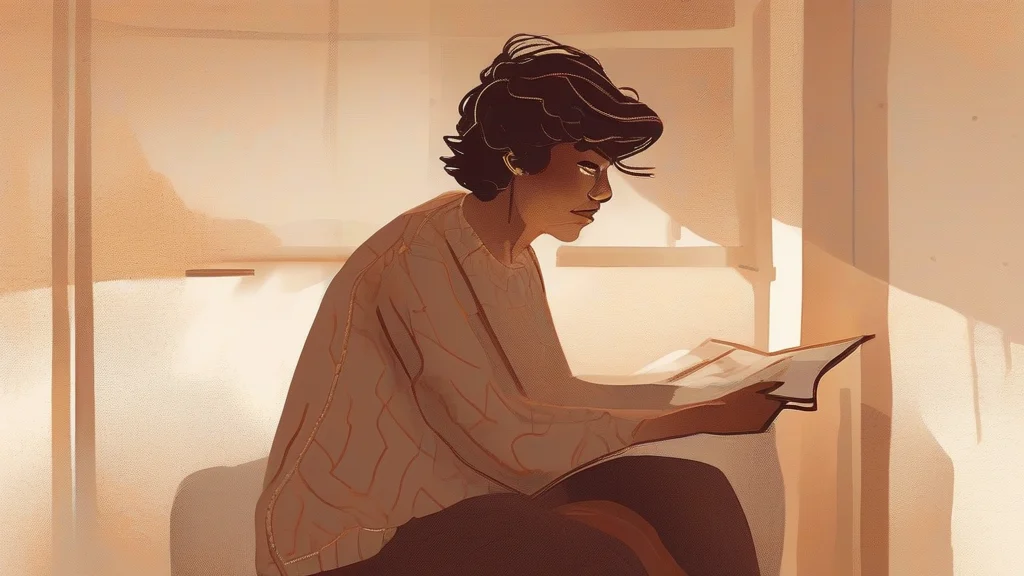
What does uncombed mean?
Uncombed is an English adjective most often used to describe hair that has not been combed, brushed, or arranged. It can suggest the natural, slightly disordered condition of hair after sleep, a shower, wind, or a day outdoors, and is often more specific than unkempt, which can describe a person's overall appearance as well as their hair. A writer might call someone's long hair uncombed, while an untidy hairstyle is more naturally described as tousled or disheveled. The related verb uncombed means to disentangle or straighten hair by combing it, although this form is much less common than the adjective. Uncombed carries a neutral-to-mildly descriptive tone rather than the stronger moral judgment implied by words such as slovenly. Its usefulness lies in naming a precise physical state: hair that has not had its tangles and arrangement removed by a comb.
Not combed, especially of hair; loose, tangled, or otherwise lacking the arrangement produced by combing.
"A gust of wind left him with uncombed hair."
Chiefly used of hair, especially hair that appears loose, tousled, or tangled.
To undo the combing of hair; to disentangle or straighten it with a comb.
"She uncombed her hair and sat on the edge of the bed."
This verb form is relatively uncommon; the adjective is much more frequent in modern usage.
Sometimes one precise detail does all the work: “uncombed” turns windblown hair into a vivid phrase.
Reviewed by Deb Chak, Editor. AI-assisted content curated by RJS Tech Solutions LLP.
Where does uncombed come from?
Uncombed is an English formation using the prefix un-, meaning “not,” with comb and the participial ending -ed. The English noun comb continues Old English camb, while the English verb was influenced by Old French comber and Latin combere, “to comb.” Latin combere is historically related to Greek kumbē, “comb”; both belong to an Indo-European root associated with fitting or pressing things together.
Related word forms
How uncombed is actually used
As an adjective, uncombed is chiefly used of hair and is usually neutral or mildly descriptive, often suggesting that someone has just woken, been outdoors, or not bothered to brush their hair. It normally describes the hair rather than making a broader judgment about a person's appearance. The verb is considerably rarer.