What does disheveled mean?
Disheveled is an adjective used to describe someone whose hair, clothing, or overall appearance is untidy, rumpled, or carelessly arranged. A person might look disheveled after a long flight, an argument, a sleepless night, or a brisk walk on a windy day. The word typically applies to people rather than objects, though writers sometimes extend it metaphorically to rooms, gardens, or other scenes of disorder. Its connotations are usually mild rather than harsh: disheveled can suggest glamour, exhaustion, or romantic turbulence as easily as neglect — think of the 'artfully disheveled' hero of a novel. It derives from the Old French descheveler, literally 'to undo the hair', from chevel, meaning hair, which itself traces back to the Latin capillus. In American spelling the word ends in a single 'l' (disheveled), while British English doubles it (dishevelled). Related forms include the verb dishevel and the noun dishevelment.
adjective(Of a person's hair, clothing, or appearance) untidy, unkempt, or rumpled; hanging loosely or thrown about in disorder.
- (Of hair, clothing, or personal appearance) untidy, rumpled, or unkempt.
"She arrived at the interview looking distinctly disheveled, her tie askew and jacket creased."
"He ran a hand through his disheveled hair as he tried to collect his thoughts."
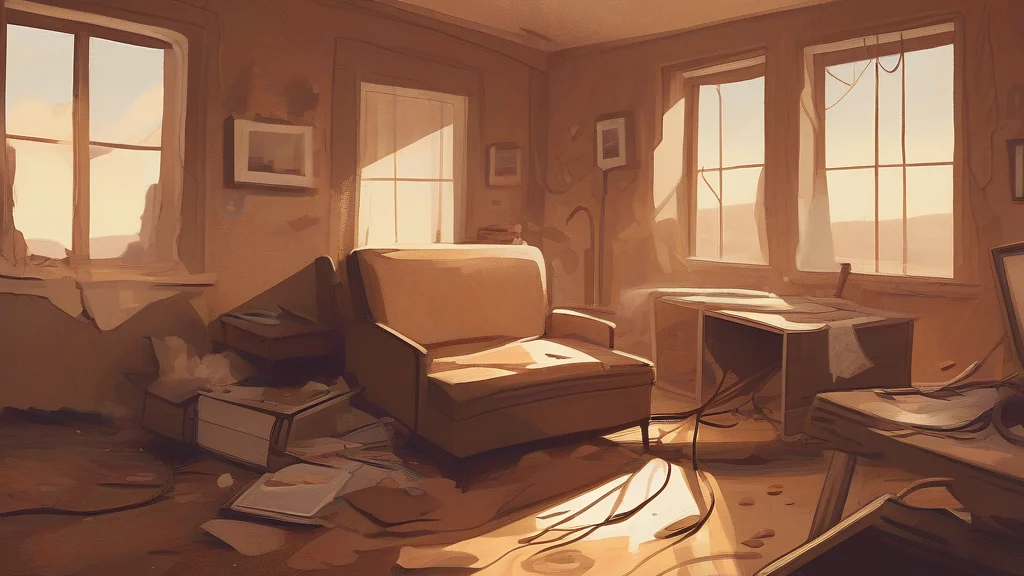
"The storm left the garden disheveled, with branches strewn across the lawn."
The 'sheveled' hiding inside 'disheveled' is real: it comes from French chevel, meaning hair — so to be disheveled literally means to have your hair undone.
Reviewed by Deb Chak, Editor. AI-assisted content curated by RJS Tech Solutions LLP.
Etymology of disheveled
Disheveled comes from the Old French verb descheveler, formed from des- ('un-', expressing reversal) plus chevel, meaning hair, from the Latin capillus. The word originally meant literally 'to let down the hair' or 'to make the hair hang loose', and entered Middle English around the late fourteenth century before settling into its modern adjectival use describing general untidiness of appearance. The same Latin root capillus gives us words like capillary, so-called because blood vessels were thought to be as fine as hairs.
Related word forms
How disheveled is actually used
Almost always describes people or their appearance rather than objects, though figurative extensions to rooms or landscapes occur. The word carries a mildly literary or descriptive register and often suggests attractive or dramatic disarray rather than mere slovenliness. American English prefers 'disheveled' (one l), while British English uses 'dishevelled'.
Easily confused with disheveled
'Dishevelled' is simply the standard British English spelling of the same word, not a different word or meaning.