
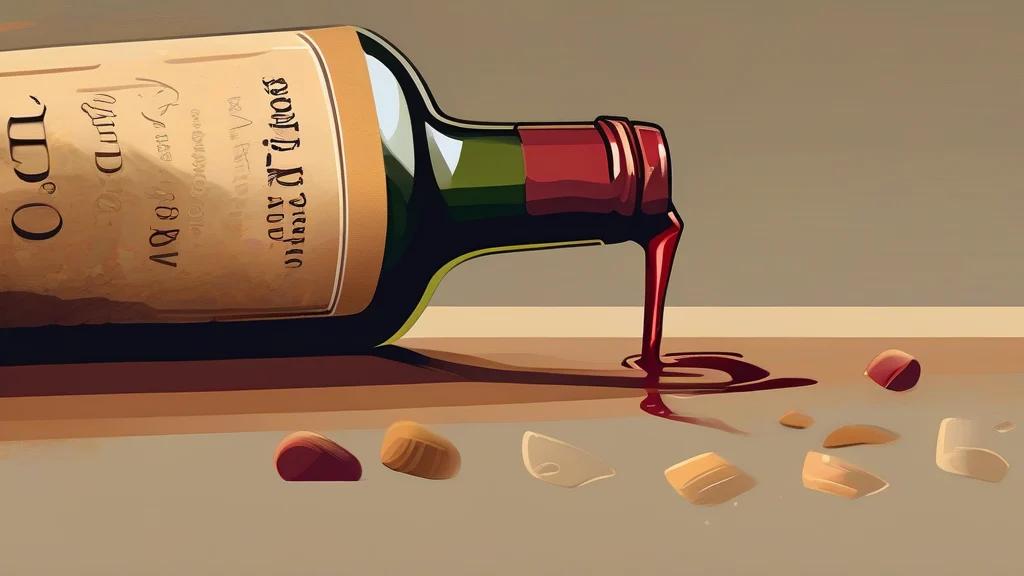
What does uncorked mean?
Uncorked literally describes a bottle or other container from which the cork has been removed. It can also be used figuratively to suggest that something previously constrained or closed has been opened up: an uncorked performance may be lively, uninhibited, or full of energy. The word may function as an adjective or as the past tense and past participle of the verb “uncork.” In its literal use, it is especially associated with wine bottles, although it can apply to any cork-stoppered container. Figurative uses often appear in descriptions of people, crowds, conversations, or performances that suddenly become animated and free-spirited. The expression conveys not merely the physical act of opening but the release of potential, restraint, or suppressed emotion. This makes “uncorked” particularly vivid when describing an event or audience that changes from quiet restraint to exuberant activity.
Having had its cork removed; figuratively, lively, uninhibited, or released from restraint.
"They passed around the uncorked bottle after dinner."
The figurative adjective is informal and especially effective for describing a crowd, performance, or atmosphere that has become exuberant.
The past tense and past participle of “uncork”: to remove the cork from a bottle or container.
"He uncorked the wine and raised his glass."
Common in the literal sense and also used figuratively for releasing someone or something from restraint.
A bottle can be uncorked, but a performance can be uncorked too—meaning it has burst into life.
Reviewed by Deb Chak, Editor. AI-assisted content curated by RJS Tech Solutions LLP.
Etymology of uncorked
Uncorked is the past-tense and participial form of “uncork,” formed by adding the prefix “un-” to “cork” and then inflecting the verb. The verb “uncork” has been used since the 16th century for removing a stopper from a vessel. “Cork” entered English from a Romance cognate ultimately derived from Latin cortex, meaning “bark,” referring to the bark of the cork oak. The figurative senses developed from the physical idea of opening something sealed and releasing what it contained.
Related word forms
How uncorked is actually used
The literal sense is standard in both British and American English. The figurative sense, especially in phrases such as “the crowd went uncorked,” is more informal and conveys exuberance, freedom, or emotional release.
Easily confused with uncorked
An uncorked container has had its cork removed, whereas a corked container is still sealed with one.