
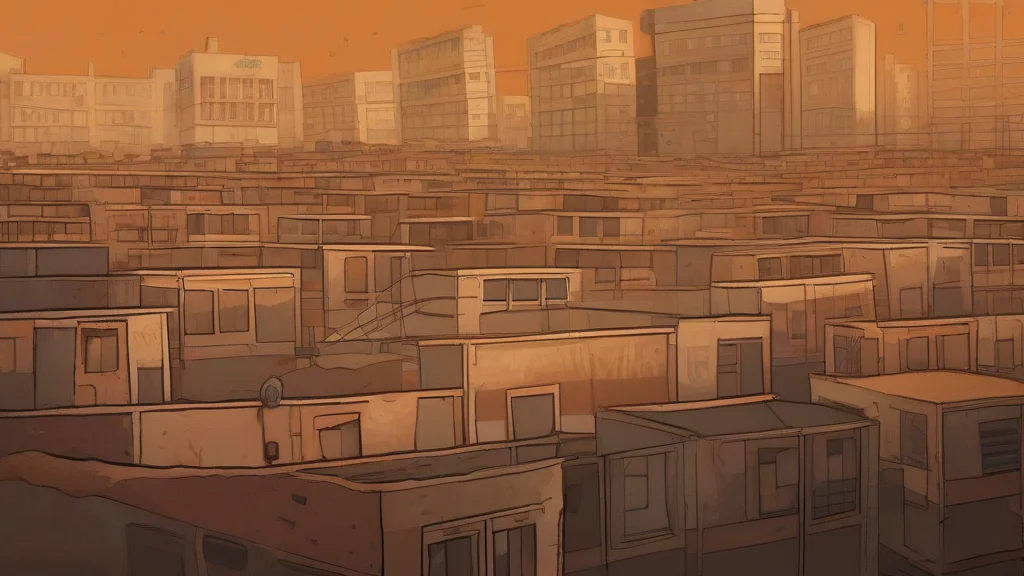
What does underpopulated mean?
Underpopulated describes a place, community, institution, or service that has fewer people than it ideally should. The word is most commonly applied to regions, towns, or rural areas whose population is small relative to their land area, housing stock, or infrastructure. It often carries implications of economic weakness or decline, because an underpopulated area may struggle to support schools, hospitals, shops, and public transport. The term can also refer more narrowly to facilities or programmes that are not being used to their full capacity. Its wording is more neutral than potentially emotive alternatives such as “deserted” or “declining,” while still identifying a clear imbalance between population and available space or services. Underpopulated is the past participle of “underpopulate,” but it is established primarily as an adjective.
adjectiveHaving too few inhabitants relative to an area's size or capacity. It may also describe institutions, facilities, or services used by fewer people than they were intended or needed to serve.
- Having too few people in relation to the available space, housing, infrastructure, or capacity.
"The remote valley remained underpopulated, leaving its small hospital struggling to maintain specialist services."
"The region is so underpopulated that its schools serve several sparsely settled communities."
"The hospital's underpopulated wards were converted into offices during the summer."
A once-busy mining town can become underpopulated after the mines close, leaving entire communities in the wake of depopulation.
Reviewed by Deb Chak, Editor. AI-assisted content curated by RJS Tech Solutions LLP.
Where does underpopulated come from?
The word was formed in English by combining the prefix “under-” with “populated,” meaning supplied or occupied by people. “Populate” comes from Latin “populare,” derived from “populus,” meaning “people,” while “under-” expresses insufficiency or an amount below the required level. The combination developed to describe places and institutions with too few inhabitants or users.
Related word forms
How underpopulated is actually used
The word is formal and neutral. It is used most often in demographic and social contexts, but can also describe services or facilities operating below their intended capacity. In population studies, it generally implies a persistent shortage rather than a temporary reduction in occupants.
Easily confused with underpopulated
Unpopulated means having no inhabitants at all, whereas underpopulated means having fewer people than are expected, desired, or needed for normal capacity.