
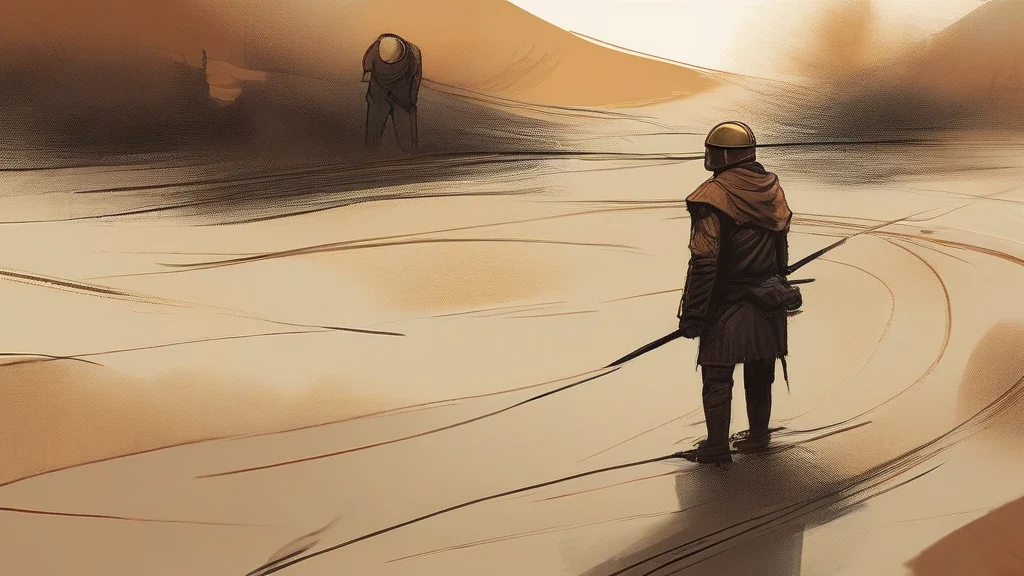
What does unhelmeted mean?
Unhelmeted means that someone is not wearing a helmet. The word is commonly used for cyclists, motorcyclists, equestrians, construction workers, soldiers, and other people whose activities may require protective headgear. In discussions of safety or the law, an unhelmeted person may be described as violating a rule or failing to use a required protection, although the word itself does not necessarily imply wrongdoing. In literary and historical writing, it can simply describe a character's appearance: bareheaded, exposed, and recognizably without a helmet. Although unhelmeted is formed from familiar elements, it is more specific than terms such as unprotected and more visually direct than hatless. It is therefore useful whenever the absence of a helmet is the important detail rather than simply the absence of headwear in general.
adjectiveNot wearing a helmet; without a helmet.
- Not wearing or lacking a helmet.
"The unhelmeted rider was quickly offered a protective helmet."
"The unhelmeted cyclist wore only a cap as she rode through the rain."
"The novel describes the young soldier as unhelmeted and standing defiantly before the enemy."
With just the prefix un-, unhelmeted turns an ordinary safety detail into a vivid image of risk.
Reviewed by Deb Chak, Editor. AI-assisted content curated by RJS Tech Solutions LLP.
Where does unhelmeted come from?
Unhelmeted is formed by combining the prefix un-, meaning “not,” with the adjective helmeted, meaning “wearing a helmet.” The word helmet comes from Old English healm, a term for a protective covering for the head, and belongs to a wider family that includes helm, helmsman, and helmsmanship. The formation with un- is transparent in modern English and emphasizes the removal or absence of a helmet.
How unhelmeted is actually used
The word is neutral in tone but commonly appears in safety, legal, military, and literary contexts. It is especially natural when describing a person, particularly a rider, cyclist, motorcyclist, or worker.