
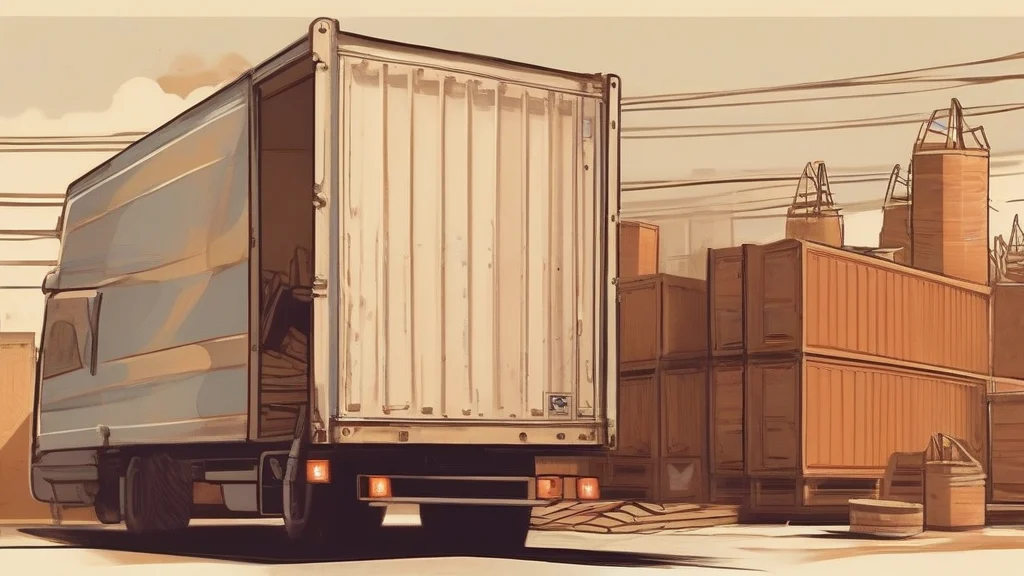
What does unloading mean?
Unloading is the process of removing a load from a vehicle, ship, container, or other place where it has been carried or stored. In everyday use, it often refers to taking goods off a truck, train, aircraft, or ship, but it can also apply to removing equipment, supplies, or other materials. The related verb form appears in phrases such as unloading cargo, unloading passengers, and unloading data. As a noun, unloading can describe the entire operation, including the work, equipment, and organization involved; as a present participle, it describes the action as it happens. The word is neutral and widely used in commercial, transport, industrial, and technical settings. It is especially useful because it names the counterpart to loading while remaining more descriptive than simply saying that a load is being taken off or released.
The act or process of removing a load from a vehicle, ship, container, or storage space.
"The unloading of the cargo took most of the morning."
The plural unloadings is possible but uncommon; the singular is normally preferred for a process or operation.
Describing the action of removing a load or releasing material from a carrier, storage system, or other source.
"They are unloading the boxes at the rear entrance."
This form is widely used as a gerund in practical and technical descriptions.
The plural is grammatically regular but is much less common than the singular, which is generally used for a process or operation.
"The overnight unloadings were delayed by heavy rain."
From a ship to a truck, unloading is the moment when cargo stops traveling and starts becoming usable.
Reviewed by Deb Chak, Editor. AI-assisted content curated by RJS Tech Solutions LLP.
Where does unloading come from?
The word is formed in English from the prefix un-, meaning “reverse” or “undo,” combined with load, meaning to place a burden or cargo onto something. The form unload developed as the opposite of load, and unloading arose as the corresponding gerund and noun for that action. The prefix un- is native to Germanic and appears in many English words, while load belongs to a Germanic word family that also includes forms such as lade and laden. The shared sense of the family is carrying, placing, or being made to carry a burden or cargo.
Related word forms
How unloading is actually used
The word is neutral in tone and common in transport, logistics, shipping, warehousing, and computing contexts. As a gerund, it usually refers to an action in progress, while as a noun it can name the broader process or operation.
Easily confused with unloading
Unloading names the ongoing process or the action of removing a load, while unload is the verb used to command or describe that action in a complete clause.