
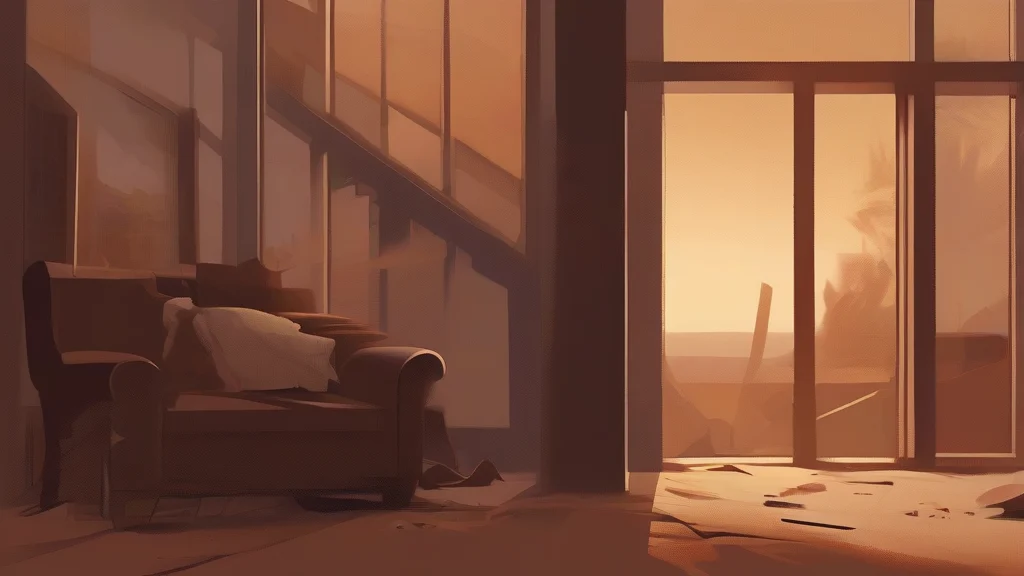
What does unmade mean?
Unmade is an English word with several closely related meanings. At its most basic, it describes something that has not been made, created, or completed: an unmade garment, an unmade plan, or a promise that remains unmade. It can also suggest that something has been undone or returned to a previous state, as in unmaking a bed or a relationship. The word has both ordinary and literary associations. It is perfectly natural in phrases such as “the bed was left unmade,” while more poetic contexts may use it to emphasize absence, ruin, or the possibility of renewal. As a verb form, unmade is the past tense and past participle of unmake. Its history reflects the English prefix un-, combined with the Germanic root of make, the same basic root found in words such as remake, maker, and making. Unmade is useful because it can describe both incompletion and reversal.
Not made, created, or completed; in literary contexts, also undone or ruined.
"The old house stood empty and unmade by generations of repair."
The more literary sense of “undone” or “ruined” is especially common in poetry and formal prose.
The past tense and past participle of unmake, meaning to undo, dismantle, or reverse the making of something.
"She had unmade the bed and was already preparing to leave."
In this form, unmade usually functions as the past tense or past participle of unmake.
Unmade carries two lives: it can describe something that has never existed, or something that has been undone.
Reviewed by Deb Chak, Editor. AI-assisted content curated by RJS Tech Solutions LLP.
Where does unmade come from?
Unmade is an English formation built from the prefix un- and the word make. The un- element has its familiar reversing or negating force, allowing the compound to mean “not made” and, in its verb use, “undone.” The formation belongs to the same productive family as remake and related forms such as maker and making, all of which share the Germanic root of make.
Related word forms
How unmade is actually used
As an adjective, unmade is common for things that have not been made and is literary or poetic for something undone or ruined. As a verb form, it is the past tense and past participle of unmake.