
What does unmake mean?
Unmake is a literary verb meaning to undo the making or creation of something. It can refer literally to destroying a constructed object or place, but it is more often used figuratively for reversing a decision, dismantling a system, or undoing the work of another person or institution. The word is more forceful and dramatic than undo: to unmake something is not merely to change or adjust it, but to erase the act that produced it. Unmake can therefore suggest cancellation, destruction, or the deliberate reversal of established conditions. Although its basic meaning is clear, it is relatively uncommon in everyday speech and appears chiefly in formal writing, literary contexts, and political or social commentary. Its unusual force comes from treating creation and destruction as exact opposites, making it especially effective when describing an attempt to undo major social, institutional, or personal changes.
verbTo undo the making of something; to destroy, cancel, or reverse something that has been created or established.
- To undo the making of something, especially to destroy, cancel, or reverse something that has been created or established.
"The reform was intended to improve the system, but its authors ended up trying to unmake decades of progress."
"The new committee was determined to unmake the decisions of its predecessor."
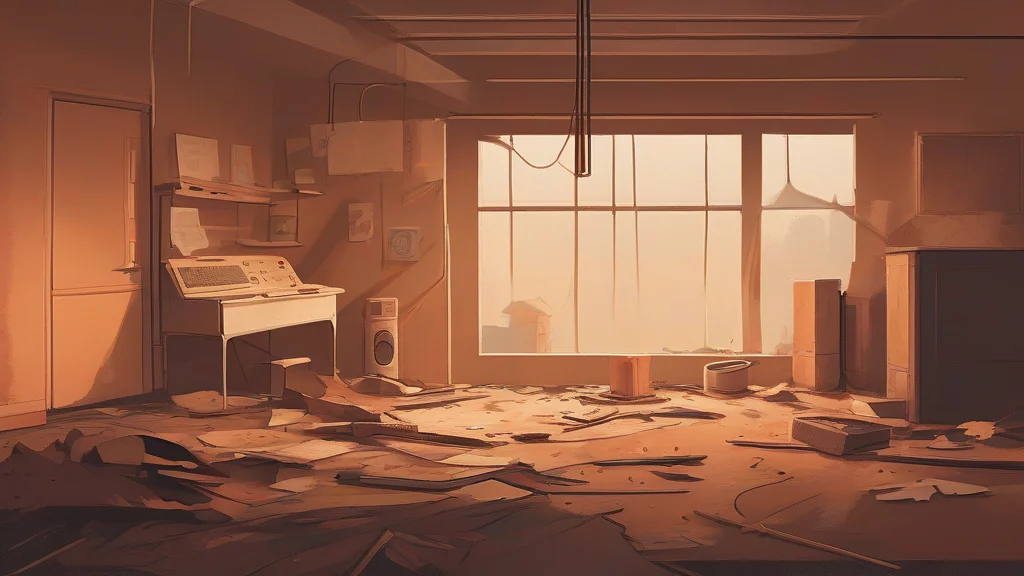
"In the novel, a spell can unmake a castle and leave nothing but open sky."
Unmake carries an unusually literal idea: not merely to spoil something, but to reverse the act that created it.
Reviewed by Deb Chak, Editor. AI-assisted content curated by RJS Tech Solutions LLP.
Where does unmake come from?
Unmake is an English formation in which the prefix un- is added to make, expressing the reversal or undoing of making or creation. It developed during the 19th century, when the prefix un- was widely used to form verbs from existing words. Make itself descends from Old English macan, a Germanic verb meaning to make or construct. The same root appears in related forms such as remake, maker, and making.
Related word forms
How unmake is actually used
Chiefly literary, formal, or figurative. It is usually transitive and has a more emphatic, destructive tone than undo.
Easily confused with unmake
Unmake is the verb meaning to undo or destroy, while unmade is its past-tense and past-participle form and can also describe something that has not been made.