
What does unsnarl mean?
Unsnarl means to undo a tangle and restore something to a clear, orderly condition. Its most characteristic use is physical: a person might unsnarl hair, thread, rope, chain, or knots. The word can also have a figurative use, describing the clarification of a complicated problem, a difficult relationship, or a confused situation. Compared with the more general verb untangle, unsnarl has a slightly literary and descriptive tone and strongly evokes something becoming physically knotted. It is also closely related in meaning to unravel, although unsnarl tends to emphasize the removal of knots and confusion rather than the gradual process of coming apart. The word is not especially regional: it is understood in both British and American English, though it remains less common in everyday speech than its simpler alternatives.
verbTo untangle or disentangle something, especially a mass of hair, thread, rope, or knots. It can also be used figuratively to clarify a complicated situation or resolve confusion.
- To untangle or disentangle something physically tangled.
- To clarify a complicated situation, resolve confusion, or put matters in order.
"She carefully unsnarled the fishing line before packing it away."
"He bent down to unsnarl the chain from the fence."
"The negotiator worked to unsnarl the issues that had kept the talks from progressing."
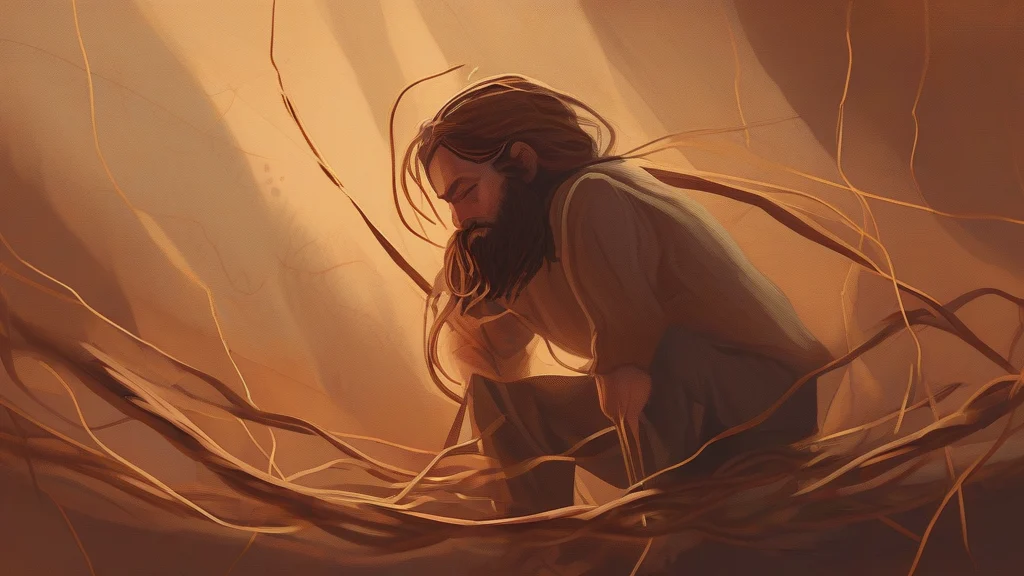
Sometimes the knot in your thoughts is not a problem—but something that needs to be unsnarled.
Reviewed by Deb Chak, Editor. AI-assisted content curated by RJS Tech Solutions LLP.
Where does unsnarl come from?
Unsnarl is an English compound formed from the prefix un-, meaning “reverse of” or “undo,” and the verb snarl, in the sense of twisting or tangling. The prefix un- was added to indicate that the action of snarling is being reversed. The resulting word literally describes undoing a tangle and figuratively extending that action to the clarification of confusion or disorder.
Related word forms
How unsnarl is actually used
Unsnarl is relatively uncommon and more literary or descriptive than untangle. It is used most often for hair, thread, rope, knots, and similarly tangled physical objects, but it can also apply figuratively to confusing situations or tangled relationships.
Easily confused with unsnarl
Unsnarl is especially associated with undoing physical tangles, while unravel more broadly means to untangle threads or unravel a complicated problem.