
What does unwaxed mean?
Unwaxed is an adjective meaning that a surface has not been coated or treated with wax. It is especially common in discussions of wooden floors, furniture, and other objects valued for a natural appearance. An unwaxed floor or piece of wood may still be sealed, varnished, painted, or otherwise finished; the word identifies the particular absence of wax rather than making a general claim that the surface is unfinished. In everyday use, “unwaxed” can also carry a mildly positive aesthetic association, suggesting authenticity, simplicity, and a visible natural texture, though the term is also common in practical care and flooring instructions. It is the opposite of “waxed,” which describes a surface that has received a wax coating. Unwaxed is a transparent compound formed from the English prefix un-, the noun wax, and the participial ending -ed.
adjectiveNot coated or treated with wax. It is especially used to describe floors, wood, and other surfaces whose natural texture or finish has not been covered with wax.
- Not coated, treated, or finished with wax.
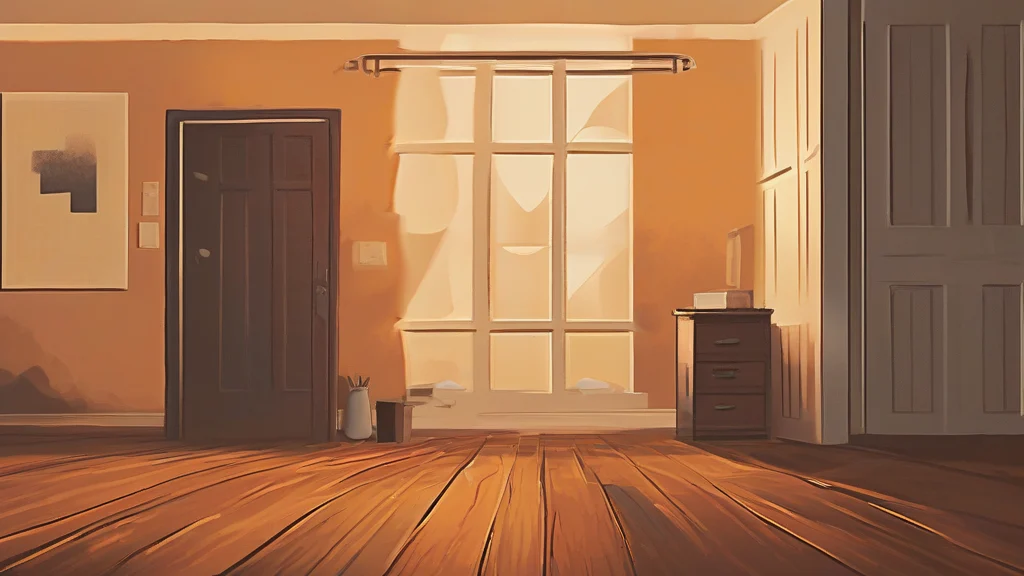
"The old boards were left unwaxed so that their natural grain remained visible."
"The installer recommended cleaning the unwaxed floor before applying a protective finish."
"The furniture has a deliberately unwaxed appearance that highlights the grain of the wood."
Unwaxed surfaces keep their natural character instead of hiding it beneath a glossy layer.
Reviewed by Deb Chak, Editor. AI-assisted content curated by RJS Tech Solutions LLP.
Where does unwaxed come from?
Unwaxed combines the English prefix un-, meaning “not,” with wax and the participial ending -ed, producing the meaning “not waxed” or “not treated with wax.” The word wax comes from Old English wæx and is also the source of related forms such as waxy and waxen. The formation reflects standard English prefixation and participial construction rather than a borrowing from another language.
How unwaxed is actually used
The word is most common in descriptions of floors, wood, furniture, and similar surfaces. It indicates the absence of wax specifically, not necessarily the absence of every kind of coating or finish.