
What does wax mean?
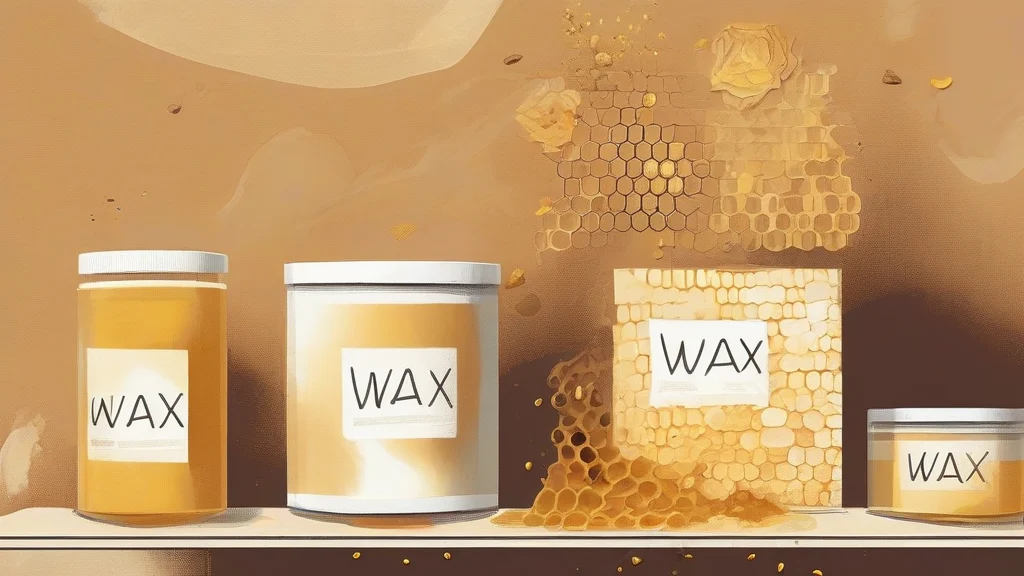
Wax is a familiar word with several interconnected uses. As a noun, it refers to a solid but pliable material that can be melted, shaped, colored, or used to seal objects; familiar examples include candles, furniture polish, cosmetics, earwax, and sealing wax. Wax can also describe something that resembles the material, especially in terms of a smooth, slightly translucent appearance. As a verb, wax means to become larger or more intense, as when the moon appears to grow fuller or an issue waxes more serious. In literary and informal usage, “wax poetic” means to speak or write with exaggerated, elevated, or expressive language. The word is useful because it connects an ordinary physical substance with ideas of growth, change, permanence, and ceremony. Its old etymology and wide range of practical and figurative meanings make it especially memorable.
A solid, pliable substance made from animal fats, plant oils, or hydrocarbons, used in candles, cosmetics, polishes, and sealing materials. It can also refer to a similar waxy secretion, especially earwax.
"The artisan applied a thin layer of wax to the wooden bowl."
The noun is generally neutral. In medical contexts, it often appears as part of “earwax”; in craft and historical contexts, it may refer to sealing wax.
To grow or become larger, stronger, or more intense; to speak or write in an elevated or poetic style; or to cover, seal, or join something with wax.
"The debate waxed increasingly hostile as the evening continued."
The growth sense is common in formal and literary writing. The poetic sense is often humorous or deliberately exaggerated, while the sealing sense is mainly historical, ceremonial, or specialized.
The plural is used for separate pieces or quantities of wax and, in figurative contexts, for repeated instances of growth or intensification.
"The candles were made from several different colored waxes."
The same word that names the stuff in candles can describe a moon growing fuller—and a poet getting grander.
Reviewed by Deb Chak, Editor. AI-assisted content curated by RJS Tech Solutions LLP.
Etymology of wax
The English word descends from Old English wax, a term for the oily or fatty substance used in candles and sealing. It is generally traced to Proto-Germanic *waxą, with related forms in Dutch was, German Wachs, and Old Norse vax. In English, the noun developed specialized applications to earwax, sealing materials, and cosmetics, while the verb acquired figurative meanings associated with growth, increase, and poetic expression.
Related word forms
How wax is actually used
The noun is broadly neutral in modern English, though it can imply something soft, pliable, or easily shaped. The verb meaning “to grow” is formal or literary in many contexts, while “wax poetic” has a more literary and occasionally ironic tone. “Wax” also has specialized meanings in medicine, sound recording, and materials science.