
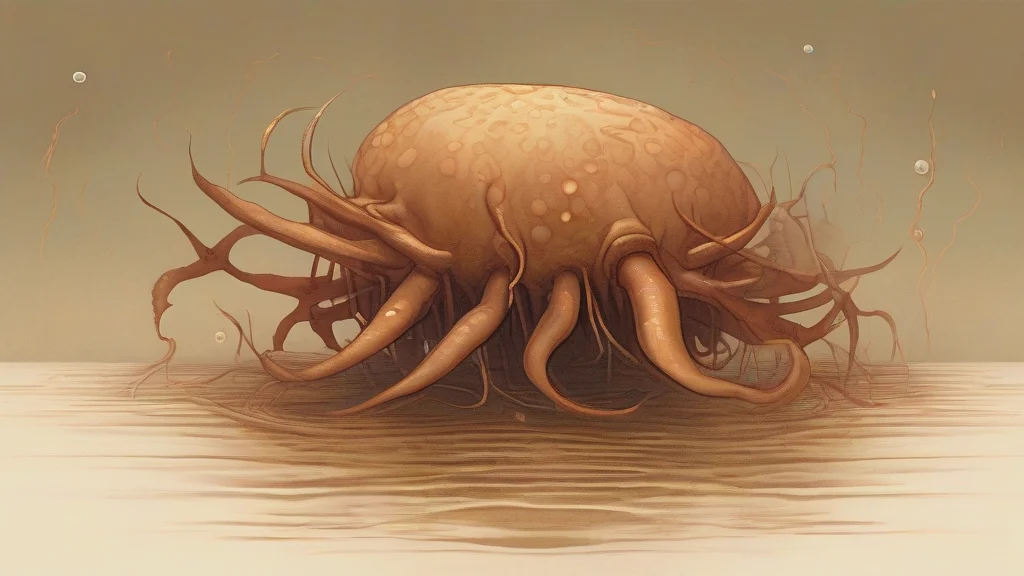
What does urochordate mean?
A urochordate is any member of the subphylum Urochordata, a biologically specialized group within the chordates. The group includes tunicates, the familiar animals commonly called sea squirts, as well as larvaceans and cephalochordates such as lancelets. Although they differ greatly in adult form, urochordates share features connecting them to other chordates, including a notochord or supporting rod, a dorsal nerve cord and, at least during development, a muscular tail. In tunicates, much of this chordate organization is lost or greatly altered as the animal develops into its adult form. The word is chiefly used in zoology, evolutionary biology and embryology, where it distinguishes this particular branch of the chordate family from animals such as vertebrates and cephalochordates. Although “tunicate” is often encountered in discussions of marine biology, “urochordate” is the broader and more taxonomically precise term. Understanding the word helps reveal the surprising anatomical links between filter-feeding sea squirts, free-swimming lancelets and more familiar vertebrate animals.
Any member of the subphylum Urochordata, a group of mostly marine invertebrate chordates that includes tunicates, larvaceans and cephalochordates.
"The researcher identified a small urochordate attached to the underside of a piece of kelp."
The plural is urochordates. The taxonomic name Urochordata refers to the subphylum as a whole.
Relating to urochordates or to the subphylum Urochordata.
"The urochordate lineage provides important evidence about the early evolution of chordates."
This attributive form is common in specialist biological writing.
Use “urochordates” for multiple animals; “Urochordata” is the formal taxonomic name for the entire subphylum.
"Several urochordates use filter feeding to capture particles from the surrounding water."
A urochordate is literally a “tail-string” animal: its name joins the Greek words for tail and cord, recalling the notochord that supports the body.
Reviewed by Deb Chak, Editor. AI-assisted content curated by RJS Tech Solutions LLP.
Where does urochordate come from?
English formed urochordate by combining Greek oura, meaning “tail,” with khordē, meaning “cord” or “notochord,” reflecting the group’s characteristic tail-like supporting cord. The second element also connects the word with chordate, chord and related forms derived from the same Greek root.
Related word forms
How urochordate is actually used
This is primarily a formal biological term. It is more comprehensive than “tunicate,” which refers specifically to members such as sea squirts and salps, and it should not be used for chordates outside Urochordata.
Easily confused with urochordate
A chordate is any animal in the phylum Chordata, whereas a urochordate belongs specifically to the subphylum Urochordata.