
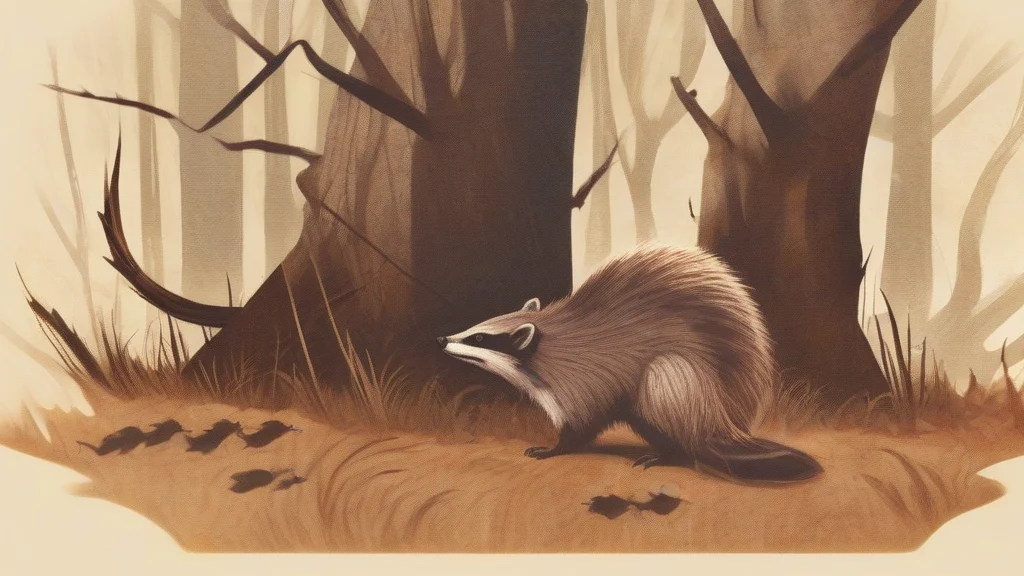
What does varmint mean?
Varmint is an informal word for an animal regarded as a pest or nuisance and, figuratively, for a contemptible or troublesome person. It can refer to rats and other unwelcome creatures, but it is also traditionally used for predators and other animals that threaten livestock, making “varmint hunter” a familiar historical phrase. When applied to people, it is strongly derogatory, conveying anger, suspicion, or moral disapproval rather than merely annoyance. The word is especially associated with rural and North American usage, though it is also understood in British English. Its colorful history connects it with vermin, a term derived ultimately from Latin for “worm.” Varmint is particularly useful when a speaker wants to present a particular creature or person as a persistent, harmful, and contemptible problem.
nounA varmint is an animal, especially one regarded as troublesome, harmful, or vermin; by extension, it is a person regarded as contemptible or annoying.
- An animal considered harmful, troublesome, or vermin.
- A person regarded as contemptible, obnoxious, or troublesome.
"The farmer blamed the troublesome varmint for damaging the crops."
"A varmint had gotten into the henhouse and frightened the chickens."
"He refused to pay the bill, earning the well-deserved reputation of a despicable varmint."
The regular plural is used for multiple troublesome animals or, in derogatory contexts, multiple contemptible people.
"Farmers set traps to protect the livestock from varmints."
What began as an alteration of “vermin” can name a troublesome animal or deliver a withering insult to a troublesome person.
Reviewed by Deb Chak, Editor. AI-assisted content curated by RJS Tech Solutions LLP.
Where does varmint come from?
Varmint is an early modern alteration of vermin. Vermin was borrowed into English through Old French, ultimately deriving from Latin vermis, meaning “worm,” and the related English and international vocabulary includes words such as verminous and vermicular. The altered form became particularly established in North American English, where it was applied to troublesome animals and predators.
Related word forms
How varmint is actually used
The word is informal and usually disparaging. It is especially common in North American English, particularly in rural, historical, and hunting contexts, but is also used in British English.
Easily confused with varmint
Vermin is usually a collective term for creatures regarded as parasites or pests, while varmint more often singles out one troublesome creature or person.