
What does vibrissae mean?
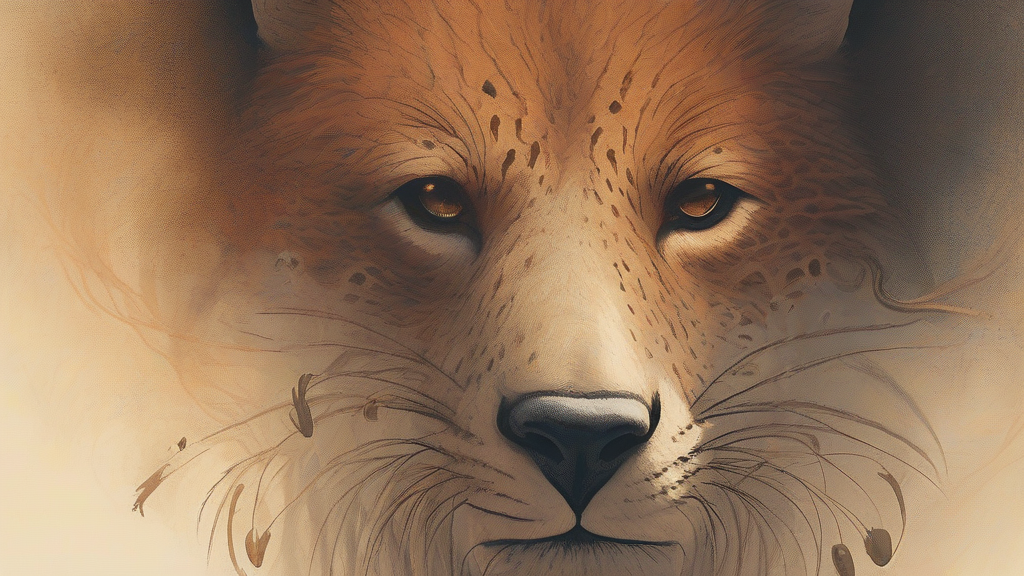
Vibrissae are specialized tactile hairs found in many mammals, most famously in cats. Unlike ordinary facial hairs, they are highly sensitive sensory structures whose follicles contain numerous nerves. These hairs help an animal detect objects, surfaces, and changes in air currents, which is especially useful in dim light or when an animal is moving close to the ground. The word is the plural of vibrissa and is commonly used in zoology, anatomy, and animal-behavior studies. In general speech, people usually say whiskers, but vibrissae more precisely identifies the functional, touch-sensitive hairs rather than all hairs around an animal's muzzle. The term is therefore useful when describing sensory anatomy or the mechanics of mammalian navigation.
nounVibrissae are specialized tactile hairs, especially the whiskers of mammals such as cats and other felines. They function as sensory organs that detect nearby objects and changes in air currents.
- Specialized tactile hairs, especially those forming the whiskers of mammals; also used more generally for sensory hairs that function as touch organs.
"The cat's vibrissae helped it navigate through the dark without bumping into the furniture."
"The whiskers on the animal's muzzle are vibrissae, equipped with sensory nerves that detect changes in its surroundings."
"A zoological study examined the arrangement of vibrissae in several species of nocturnal mammals."
Vibrissae is the standard plural of the singular noun vibrissa.
"The leopard's vibrissae spread outward from its muzzle and help it sense nearby objects."
A cat's vibrissae are nature's touch sensors: they can detect air currents and nearby obstacles long before the cat makes contact.
Reviewed by Deb Chak, Editor. AI-assisted content curated by RJS Tech Solutions LLP.
Etymology of vibrissae
The word comes from Latin vibrissae, the plural of vibrissa, a term for a whisker or a tuft of hairs. Latin vibrissa is generally connected with the family of Latin words associated with quivering or vibration, including vibrare, “to shake” or “to quiver.” The English plural form entered scientific usage as a zoological and anatomical term for tactile hairs.
Related word forms
How vibrissae is actually used
This is primarily a technical zoological or anatomical term and is usually used in formal or scientific contexts. The ordinary word whiskers is more natural in everyday speech.
Easily confused with vibrissae
Whiskers is the general term for hairs growing on an animal's face, while vibrissae specifically refers to specialized tactile hairs that function as sensory organs.