
What does viol mean?
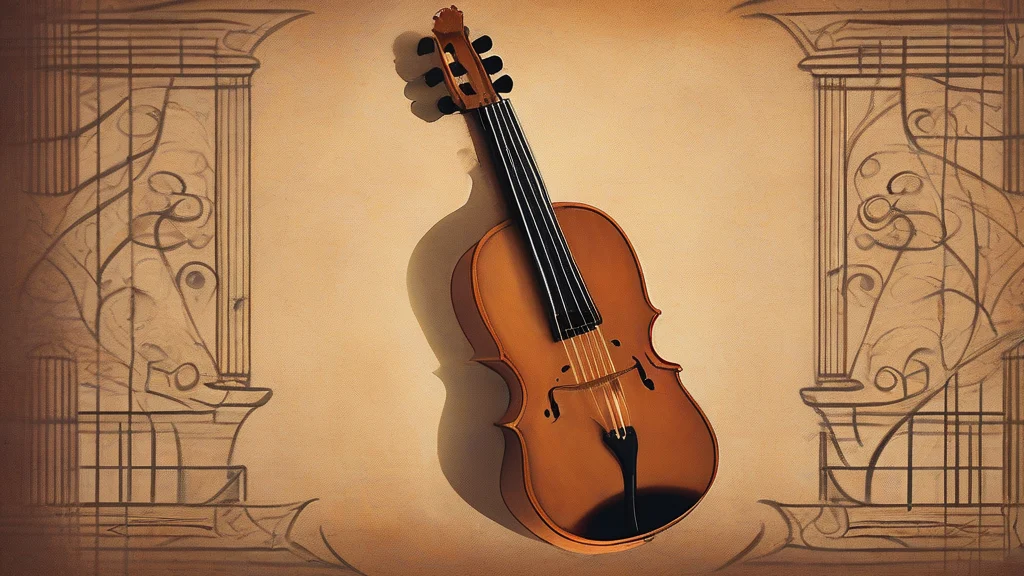
The word viol is an old English name for a bowed string instrument, especially the viola and the related family of instruments known historically as viols. In literary or archaic contexts, it may refer to a fretted instrument with sloping shoulders, distinguished in construction from the unfretted violin. A viol could also be one voice in a consort, an ensemble of differently sized instruments. The term is uncommon in ordinary modern speech, where “viola” or the instrument’s more specific name is normally preferred. Nevertheless, viol is useful because it preserves the history of early string performance and the older European practice of grouping instruments into consorts. It should not be casually used as a synonym for violin: although both are bowed string instruments, they belong to distinct historical types and differ in details such as fingerboard frets and body shape.
nounAn archaic or literary name for a bowed stringed instrument of the viol family, especially a viola. Historically, the term also referred to the fretted, sloping-shouldered instruments played in consorts.
- A bowed stringed instrument of the viol family, especially a viola.
- Any instrument played as part of a consort of viols.
"At dusk, the consort of viols filled the hall with a low, intricate chord."
"The recital featured a solo viol accompanied by a small ensemble of period instruments."
"Her reading from the manuscript described the part assigned to the bass viol."
The plural refers to multiple viol-family instruments and commonly appears in the historical phrase “consort of viols.”
"The early-music ensemble performed the work with a consort of viols."
Before violins became dominant, the viol’s fretted fingerboard and sloping shoulders gave it a distinctive silhouette—and “consort” came to mean an ensemble of viols.
Reviewed by Deb Chak, Editor. AI-assisted content curated by RJS Tech Solutions LLP.
Where does viol come from?
Viol entered Middle English through Old French viole, reflecting Medieval Latin viola. The name is cognate with Italian viola and violin and with the larger violone, all belonging to the bowed-string-instrument tradition. In their deeper history these forms are commonly traced to Latin violare, “to violate or ravish,” the same root that gives English violate and violation, though the exact semantic development of the instrument name is uncertain.
How viol is actually used
Viol is uncommon in ordinary modern English and now sounds chiefly archaic, poetic, or historical. In most contemporary contexts, a more specific modern name such as viola or violin is preferable.
Easily confused with viol
A viol is the older family name used in literary English, while a viola specifically denotes the modern alto member of the violin family.