
What does violoncello mean?
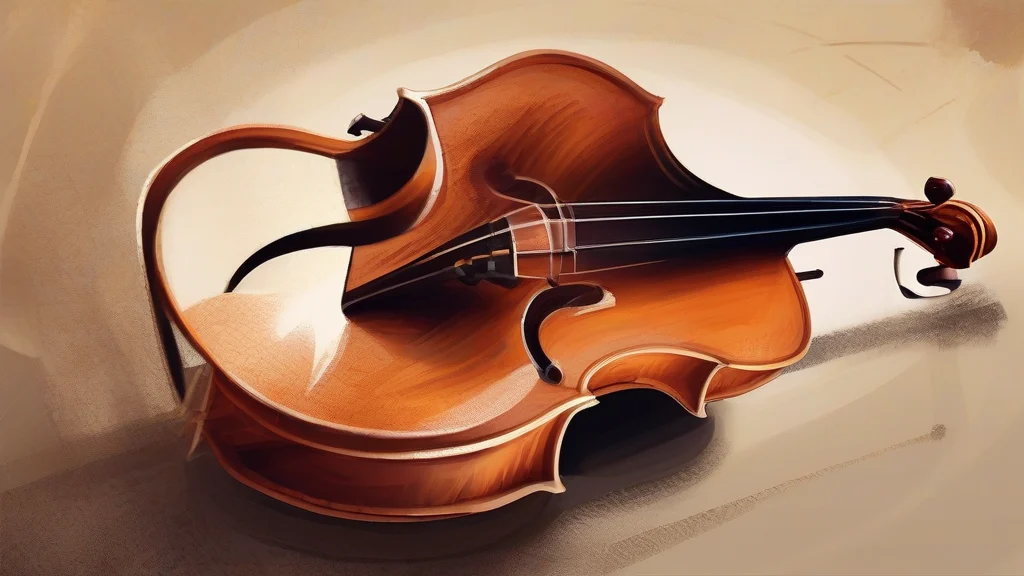
A violoncello is a large, low-register bowed string instrument belonging to the violin family. It is held upright between the knees, bowed with a separate bow, and commonly used in orchestras, chamber music, string quartets, concertos, and solo repertoire. Its tone is rich and resonant, with a range that allows it to provide both a warm melodic voice and a powerful bass foundation. In contemporary English, most people call the instrument a cello, while violoncello remains a traditional and internationally recognizable form derived from Italian. The name reflects the instrument’s historical development: Italian violoncello is a diminutive of violone, which is itself an augmentative of viola. The word is consequently useful for recognizing formal scores, concert listings, and instrument labels, even though it does not denote a different instrument from the cello.
nounA large, deep-toned bowed string instrument, the bass member of the violin family. It is played upright between the knees and is tuned in fifths.
- A large, deep-toned bowed string instrument in the violin family, played upright between the knees.
"The violoncello soloist performed a haunting nocturne with the orchestra."
"A young musician began playing the violoncello after hearing one in a chamber orchestra."
"The composition calls for a prominent violoncello line beneath the violins."
The standard plural is violoncellos.
"The orchestra included two violoncellos in its string section."
Its name is an Italian diminutive of violone, creating the memorable paradox of an instrument whose name literally makes it a “little large viol.”
Reviewed by Deb Chak, Editor. AI-assisted content curated by RJS Tech Solutions LLP.
Where does violoncello come from?
The word entered English from Italian. Italian violoncello is a diminutive of violone, while violone is an augmentative of viola; the viola belongs to the broader historical family of viol instruments. The resulting name preserves a curious contrast between diminutive and augmentative formations.
How violoncello is actually used
Violoncello is a formal or traditional English term, especially common in orchestral and European musical contexts; cello is more common in everyday speech.
Easily confused with violoncello
Cello and violoncello refer to the same instrument, but cello is the usual contemporary English name while violoncello is the traditional form derived from Italian.
A violone is a larger, lower-pitched member of the historical viol family, whereas a violoncello is the modern orchestral instrument related to the viola and cello.