
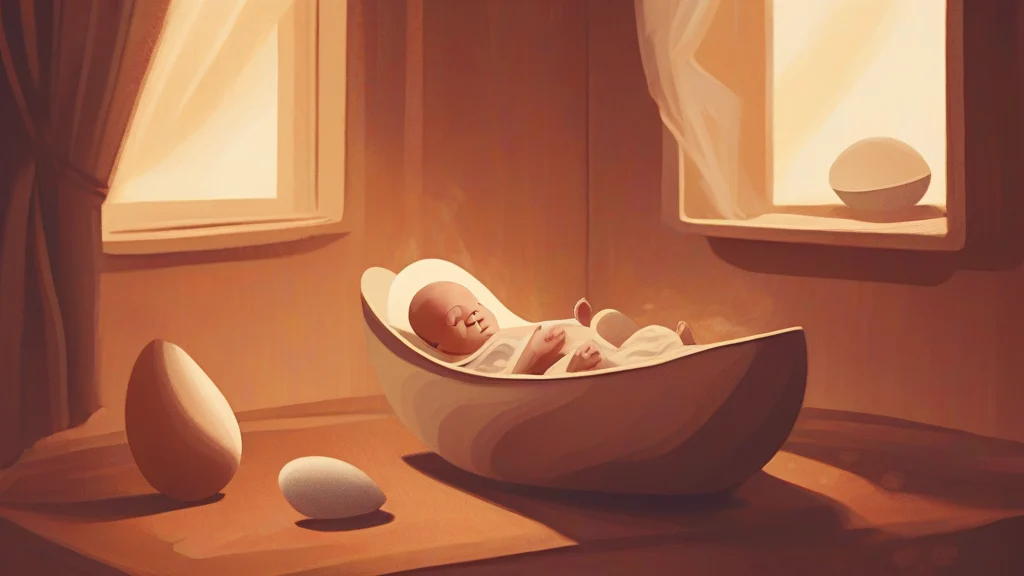
What does viviparously mean?
Viviparously is an adverb meaning “in a viviparous manner,” especially in biological contexts. It describes reproduction in which offspring develop inside the parent and are delivered as live young rather than being deposited as eggs that later hatch. The term is used for certain fish, reptiles, amphibians, and other animals, but it is less applicable to most mammals, for which “giving birth” is the usual description. Viviparously is distinguished from oviparously, which refers to reproduction by egg-laying. Although grammatically straightforward, the word sounds technical and is most likely to appear in zoology, biology, natural-history writing, and educational material. It is more precise and less conversational than saying that an animal “reproduces by live birth,” and it can be useful when comparing reproductive strategies across species.
adverbIn a viviparous manner; with the young developing inside the parent and being born alive rather than hatching from eggs.
- In a viviparous manner, with offspring developing inside the parent and being born alive rather than hatching from eggs.
"These sharks reproduce viviparously, producing fully formed young rather than eggs."
"The species reproduces viviparously, with the young developing inside the mother."
"These reptiles give birth viviparously, producing miniature versions of the adults."
Viviparously is biology's way of saying “born, not hatched.”
Reviewed by Deb Chak, Editor. AI-assisted content curated by RJS Tech Solutions LLP.
Etymology of viviparously
The word is formed from the English adjective “viviparous,” which was borrowed from Latin “viviparus.” The Latin term combines “vivus,” meaning “alive,” with “parere,” meaning “to bring forth” or “to produce.” The adverbial ending “-ly” was added in English to form “viviparously.” Related terms in the Latin-derived reproductive vocabulary include “viviparity,” “oviparous,” and “oviparity,” the last two contrasting egg-laying with live-bearing development.
How viviparously is actually used
This is a specialized biological term, usually found in scientific, zoological, or educational contexts. It is more formal and less usual than the adjective “viviparous,” which is often preferred when describing an animal or species.
Easily confused with viviparously
Viviparously describes reproduction involving live birth, whereas oviparously describes reproduction by laying eggs.