
What does wagger mean?
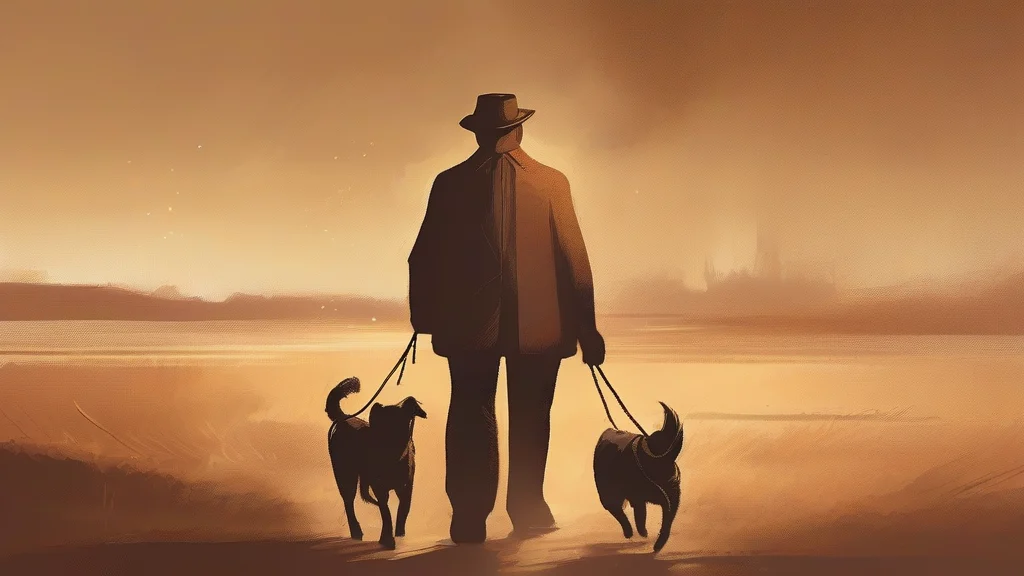
Wagger has two closely related modern uses. As a verb, it means to walk or carry oneself in a conspicuously self-important way, usually with a rolling, theatrical strut. As a noun, it denotes the kind of person whose manner is so assured and showy that the confidence appears performative or boastful. The verb often carries a critical edge: someone may wagger into a room to suggest that they expect attention regardless of their actual status. The noun similarly tends to be dismissive and can imply emptiness beneath the display. Wagger is not a neutral word for any confident stride; ordinary confidence is better described as walking proudly or confidently, while swaggering adds a note of ostentation. In literary and historical prose, wagger can sound archaic, whereas swagger remains more common. The word derives from wag, an old word for moving, shaking, or swaying, and developed through the idea of a person who moves in a conspicuous way. Its interest lies in the way a relatively simple root acquired a sharp social judgment: it names confidence only when that confidence becomes a performance.
To walk or behave with conspicuous, ostentatious self-confidence.
"He waggered down the street as if he owned every building on it."
Usually critical or mocking, suggesting that the person's confidence is being displayed for effect.
A person who walks or behaves in an ostentatious, swaggering manner.
"The portrait presents him as a vain young wagger with more medals than judgment."
This use is relatively rare and now sounds dated, archaic, or dismissive.
The plural is rare because the noun itself is uncommon in contemporary English.
"The author portrays the rival politicians as boastful waggerers rather than genuine statesmen."
From wag, meaning to move or sway, wagger became a label for confidence with a conspicuous bounce—and for confidence that has become performance.
Reviewed by Deb Chak, Editor. AI-assisted content curated by RJS Tech Solutions LLP.
Where does wagger come from?
Wagger is an English derivative of wag, an Old English word associated with moving, shaking, or swaying. It appeared in early modern English for a person who moved about or swaggered, developing from its older sense of restless or conspicuous movement. The familiar verb use, meaning to walk with a swagger, became established in 19th-century English. Related forms such as waggle and waggery continue the same root and its older associations with movement and swaying.
Related word forms
How wagger is actually used
Wagger is relatively uncommon and often sounds literary, archaic, or deliberately disparaging. It normally implies that the display of confidence is conspicuous or excessive; ordinary confidence would instead be described as walking proudly or confidently. The noun is especially dated and dismissive.
Easily confused with wagger
Wagger as a noun denotes a swaggering person, whereas swagger primarily denotes the manner or act of swaggering; as a verb, wagger means to move or behave with swagger.