
What does weaner mean?
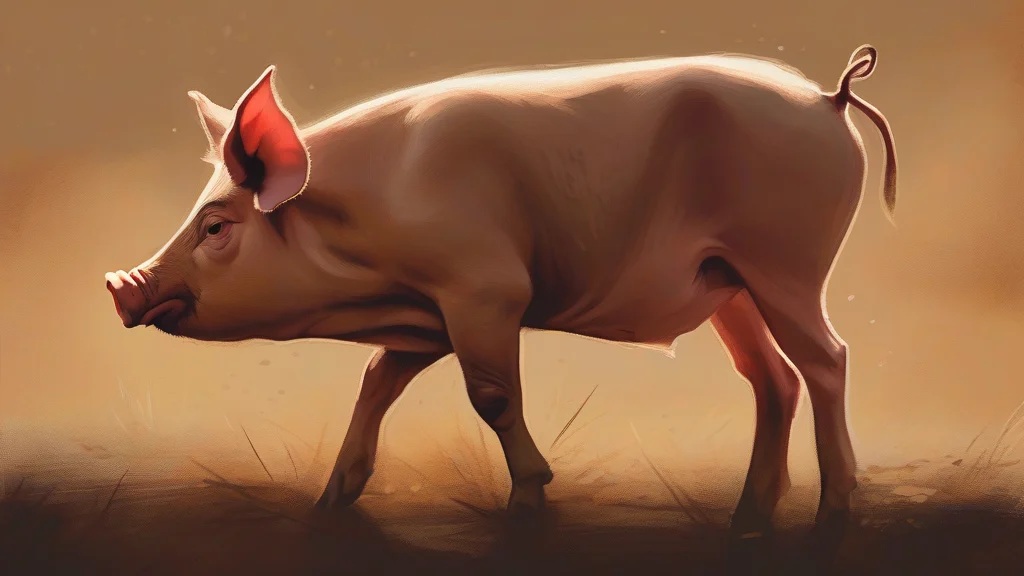
A weaner is a child or young animal that is being weaned, or has recently been weaned from its mother's milk. The word is especially common in agriculture, where a weaner often means a calf recently separated from its dam and transitioning to solid feed; it can also denote a pen, feeder, or other device used to wean group-housed animals. In descriptions of babies, a weaner is a child being gradually moved away from breast milk, although this sense is now less frequent than it once was. A related use treats the word as a person or thing that performs weaning. The term is easily confused with the verb wean: wean describes the action of ending dependence on milk, while weaner names the child, animal, or device involved. For a general reader, the livestock sense is the most useful starting point because it explains the word's continuing technical relevance.
nounA child or young animal that is being weaned or has recently been weaned from its mother's milk; also, a device used to separate nursing young from the mother and encourage them to eat solid feed.
- A young animal, especially a calf, that is being or has recently been weaned from its dam.
- A child in the process of being weaned or one who has recently been weaned.
- A device or enclosure used to wean young animals by separating them from their dams and encouraging them to eat solid feed.
"The ranch sold the weaners once the calves were eating starter feed."
"The ranch sold the weaners once the calves were eating starter feed."
"As a young weaner, she was already asking for food other than breast milk."
The regular plural is weaners, although the livestock sense is also frequently used attributively or in compounds.
"Several weaners were brought to the sale barn before auction day."
A weaner can be a young child, a newly separated calf, or the device that makes the separation possible.
Reviewed by Deb Chak, Editor. AI-assisted content curated by RJS Tech Solutions LLP.
Where does weaner come from?
Weaner was formed from wean by adding the suffix -er, allowing it to name something being weaned or a device used to wean. Wean comes from Old English wēnian, meaning to accustom a child to food other than mother's milk, and ultimately belongs to a Proto-Germanic family of verbs meaning to accustom or habituate. Related forms appear in Dutch wennen, Danish vænne, Swedish vänja, and German entwöhnen. English later extended the word's use from human children to livestock and to equipment employed in weaning animals.
Related word forms
How weaner is actually used
The word has different emphases in different settings. In livestock farming, especially in North American English, it is a familiar technical term for a recently weaned calf or for equipment used in weaning. The sense referring to a human child is less common in contemporary general usage and can sound somewhat dated or regional.
Easily confused with weaner
To wean is to move a child or animal from dependence on mother's milk, whereas a weaner is the child, animal, or device involved in that process.