
What does weever mean?
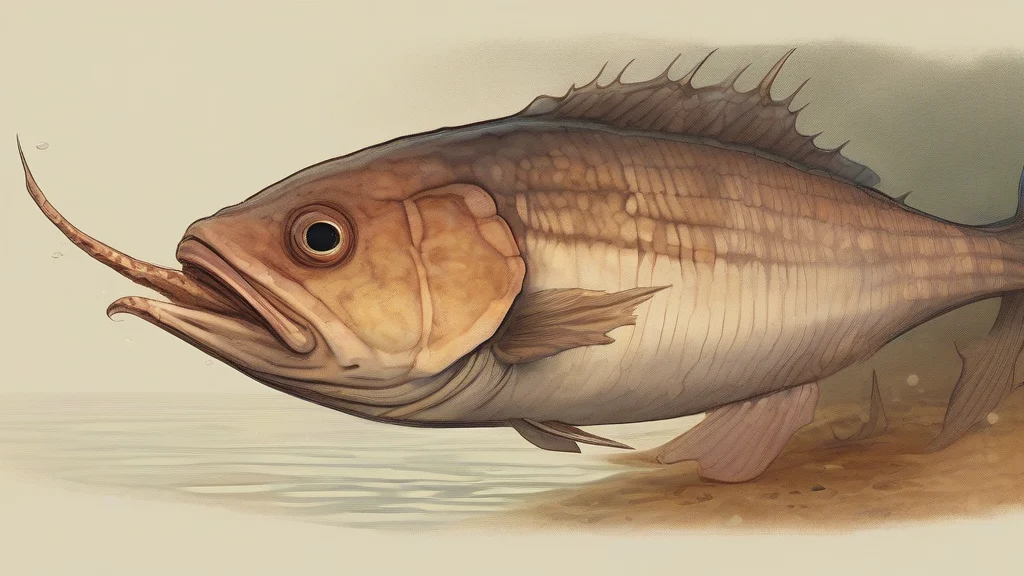
A weever is a small marine fish belonging to the family Trachinidae. It is usually found on the seabed, where it may lie partly buried in sand with only its eyes and fins exposed. Its most distinctive feature is the set of sharp, venomous spines associated with its dorsal fin and gill covers. These spines can puncture the foot or leg and cause intense pain, making the fish a familiar hazard to people walking barefoot in shallow coastal water. The plural form is weevers. Although the fish may be inconspicuous in its natural habitat, it is capable of delivering a painful sting when stepped on or handled carelessly. The name can cause confusion with a weaver, a different fish, but the latter is not normally described as venomous. For general readers, weever is chiefly a word of marine biology, fishing, and coastal safety, while the term’s unusual sound and association with a concealed, spiny predator make it memorable.
nounA small, bottom-dwelling marine fish of the family Trachinidae, with an elongated body and venomous spines on its dorsal fin and gill covers. Contact with the spines can cause a painful wound.
- A venomous marine fish of the family Trachinidae, typically found on or near the seabed.
"The fishermen found a weaver hiding in the sand, but carefully avoided its venomous spines."
"A weever buried itself in the sand with only its eyes exposed."
"The diver treated the weever sting and returned to the water."
The regular plural adds -s to form weevers.
"Several weevers lay concealed in the shallow sand."
A weever can lie concealed in the sand looking harmless—until its venomous spines deliver a painful surprise.
Reviewed by Deb Chak, Editor. AI-assisted content curated by RJS Tech Solutions LLP.
Where does weever come from?
The English word descends from Middle English forms such as wiver and wever, borrowed through Anglo-French wivre, meaning “viper,” from Latin vipera. The fish name reflects this older terminology, and the same Latin root also underlies cognates such as viper and wyvern.
Related word forms
How weever is actually used
The word is used mainly in zoological, fishing, and marine-biological contexts. It should not be confused with a weaver, another fish whose name has a similar spelling and pronunciation.
Easily confused with weever
A weaver is a laterally compressed fish, whereas a weever has venomous spines and belongs to the family Trachinidae.