
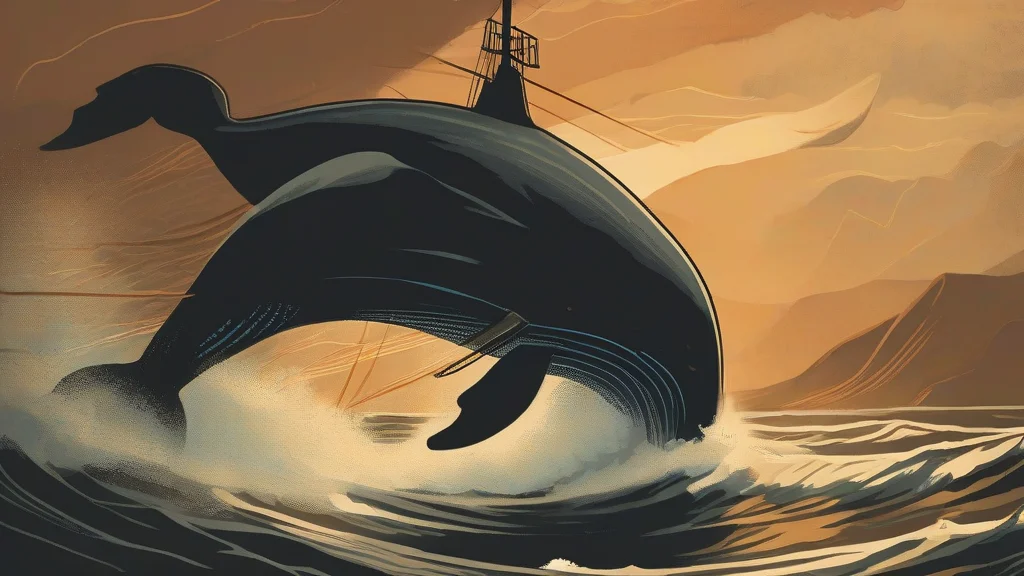
What does whaling mean?
Whaling is the activity and industry of hunting whales, traditionally for products including oil, meat, baleen, and other materials. It became especially important during the eighteenth and nineteenth centuries, when new ships, harpoons, processing methods, and transport networks supported large-scale operations in the North Atlantic, North Pacific, and Southern Ocean. Whaling contributed to the economies of many coastal communities but also contributed to severe declines in whale populations. Its importance declined as petroleum, synthetic products, and changing international regulations altered the demand for whale commodities. Today, whaling is heavily restricted and remains permitted only in limited circumstances, although disputes over its conservation and cultural implications continue. The word is also commonly used in historical contexts, as in accounts of whaling ships, voyages, ports, laws, and labor. Thus, whaling serves both as a precise name for a commercial activity and as a shorthand for a consequential chapter in industrial, environmental, and maritime history.
nounThe activity or industry of hunting whales, especially for commercial products such as whale oil, meat, and baleen.
- The commercial hunting of whales or the industry engaged in it.
"The decline of commercial whaling transformed many coastal communities."
"Her grandfather worked aboard a whaling ship in the nineteenth century."
"The regulation of whaling remains controversial because some populations are still recovering."
This plural is uncommon; it is used mainly for separate historical whaling operations or voyages.
"The collection includes records of several whalings in the nineteenth century."
At its height, whaling was a global industry that made whale oil, meat, and baleen central to commerce—and turned the fate of whales into a pioneering conservation cause.
Reviewed by Deb Chak, Editor. AI-assisted content curated by RJS Tech Solutions LLP.
Where does whaling come from?
Whaling was formed in English by adding the suffix -ing to whale, a word inherited from Old English hwæl. The English word for the animal has relatives in other Germanic languages, including Old Norse hvalr and Old High German wal. The compound whalebone and the now uncommon terms whalery and whaleman also reflect the same English base, though they do not refer specifically to the activity of hunting whales.
How whaling is actually used
Whaling most often refers to the historical commercial industry or to regulated hunting conducted by a small number of coastal communities. The term can also denote the broader social and historical activity associated with whale hunting, including its ships, workers, voyages, and products. In much of the English-speaking world, it carries historical and environmental associations as well as a strongly contested conservation dimension.
Easily confused with whaling
Whaling means hunting whales, whereas wailing means crying loudly or complaining.