
What does whortleberry mean?
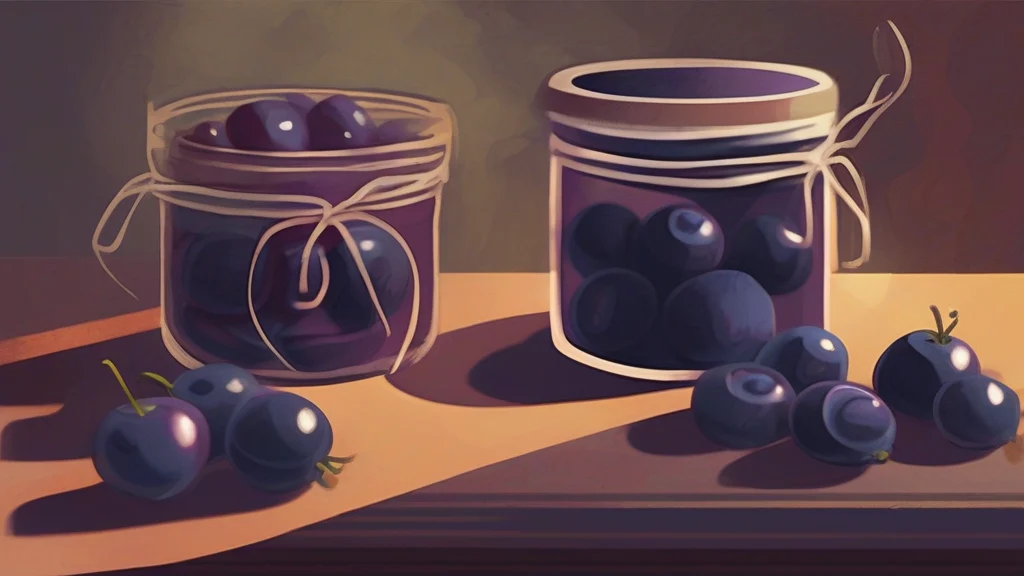
Whortleberry is a chiefly British name for the bilberry, a small blue-black berry borne by the low-growing shrub Vaccinium myrtillus. The word may refer to the fruit or, less commonly, to the shrub that produces it. Whortleberries have a tart, concentrated flavor and have traditionally been used in jams, syrups, preserves, and other foods associated with woodland foraging. Although the term is sometimes translated loosely as blueberry, the traditional whortleberry is a distinct European species, and modern blueberry cultivation generally involves other varieties. In present-day English, whortleberry is more likely to occur in regional speech, older literature, botanical writing, or descriptions of traditional food than in ordinary conversation. Its survival in the language preserves both a specific botanical distinction and an older rural vocabulary associated with seasonal gathering and rural self-sufficiency.
nounA whortleberry is a small, edible blue-black berry of the bilberry shrub, Vaccinium myrtillus; by extension, the word can also refer to the shrub itself.
- The small, edible blue-black fruit of the bilberry shrub, Vaccinium myrtillus.
- The bilberry shrub itself, considered as a plant.
"We gathered a basketful of ripe whortleberries along the edge of the pine wood."
"Whortleberries were traditionally used to make jams, syrups, and preserves."
"The botanist identified the low-growing shrub as a whortleberry rather than a huckleberry."
The regular plural adds -ies to a word ending in a consonant followed by y.
"The recipe calls for two cups of freshly picked whortleberries."
Whortleberries once helped dye wool blue—an early example of a familiar woodland food doing double duty.
Reviewed by Deb Chak, Editor. AI-assisted content curated by RJS Tech Solutions LLP.
Where does whortleberry come from?
Whortleberry developed in early modern English from forms such as whortleberie, hurtleberry, and hurdleberry, combining an old regional name for the bilberry shrub with the word berry. The precise origin of the older element represented by whortle, hurtle, and hurdle is uncertain, but it belonged to a group of historical English names for the bilberry. The element berry continues Old English berie and ultimately refers to the fruit itself.
Related word forms
How whortleberry is actually used
The word is uncommon in contemporary everyday English outside regional, historical, culinary, and nature-writing contexts. In North American usage it may sound archaic or strongly regional, and speakers are more likely to use bilberry. It should not be assumed to mean a cultivated commercial blueberry.
Easily confused with whortleberry
Whortleberry usually refers to the European bilberry, Vaccinium myrtillus, whereas the unqualified blueberry commonly denotes other cultivated or wild Vaccinium berries.
A huckleberry is a berry of a shrub in the genus Gaylussacia, while a whortleberry is normally a bilberry from the genus Vaccinium.