
What does wildering mean?
Wildering describes a process of returning to an untamed state. It is commonly used for land or vegetation becoming overgrown, feral, or reclaimed by nature, as when a meadow gives way to thickets or a garden disappears beneath weeds. The word can also evoke wilder animals or instinctive human behavior that escapes social restraint. Grammatically, wildering is the present participle of wilder and can function as a verb form or as an adjective, so "the wildering countryside" names the place while "the countryside is wildering" describes the change taking place. A rarer transitive sense means making something wild. Although understandable and evocative, wildering is chiefly literary or poetic rather than ordinary conversational vocabulary. It is especially distinctive because it presents untaming not as a single dramatic event but as a continuing movement away from cultivation, order, and control.
To become wild or untamed; in a rare transitive use, to make something wild.
"The gardens are steadily wildering as the paths disappear."
The intransitive sense is the most usual. The transitive sense is rare and literary.
Growing wild; becoming untamed, feral, or overgrown.
"The wildering hedge had swallowed the garden path."
This participial use is literary and often conveys gradual change or natural reclamation.
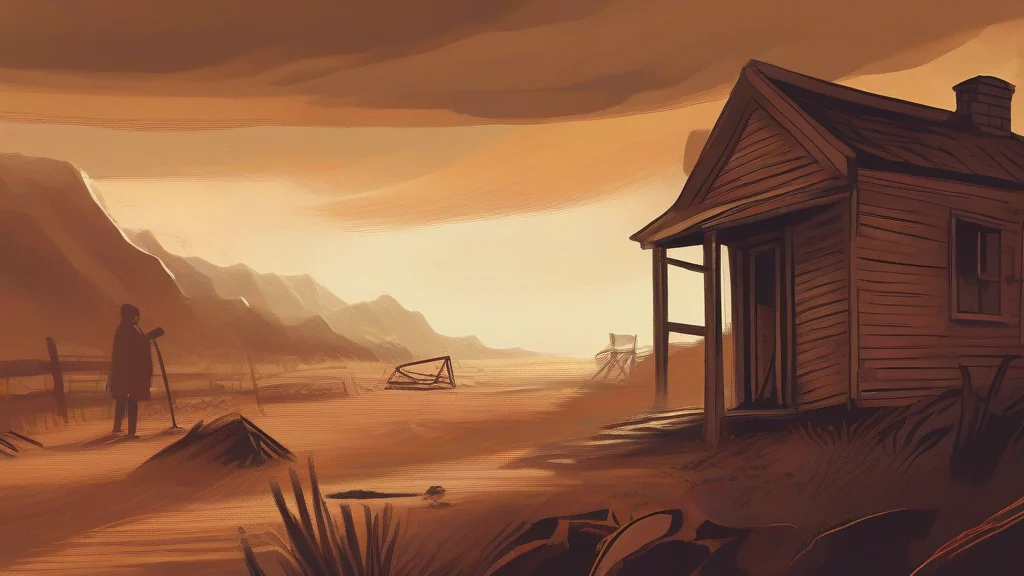
Wildering captures a return to nature: what was ordered becomes tangled, untamed, and alive.
Reviewed by Deb Chak, Editor. AI-assisted content curated by RJS Tech Solutions LLP.
Etymology of wildering
Wildering belongs to the English word family of wild. The adjective wilder derives from Old English wildra, the comparative of wild, and the verb and its present participle developed within that native word family. English relatives include wilderness and wildness, while Dutch wild and German wild are cognates sharing a Germanic origin.
How wildering is actually used
Wildering is literary, poetic, and relatively uncommon in everyday speech. It often carries a sense of gradual change, unlike the more general expressions "growing wild" and "going wild," and it is especially associated with land, vegetation, animals, or instinctive human behavior.
Easily confused with wildering
Wilding is a noun for a wild plant or a person living outside settled society, whereas wildering focuses on the process of becoming or being made wild.