
What does wildest mean?
Wildest is the standard superlative of wild, meaning “the most wild.” It is used when something is being compared with other things of the same kind: “That was the wildest storm of the season.” Its meaning depends on the sense of wild in context. It can describe something untamed or beyond human control, something exceptionally extreme or disorderly, or a place where vegetation has grown with little restraint. The word can also function as an adverb, especially in comparisons such as “It ran wildest after dark.” Wildest is common and fully standard in both British and American English, rather than colloquial or archaic. Because it is a degree form rather than an independent root, it normally appears in a clearly comparative context, often with the definite article: “the wildest,” “the wildest crowd,” or “the wildest part of the island.” Though more intense in meaning than simply “wild,” it carries the same associations of freedom, danger, unpredictability, energy, and lack of restraint.
The superlative of wild: the most untamed, uncontrolled, extreme, or uninhibited.
"The river reached its wildest state after weeks of heavy rain."
Common before nouns and after linking verbs; “the” is normally used in a specific comparison.
In the most wild, uncontrolled, or uninhibited manner.
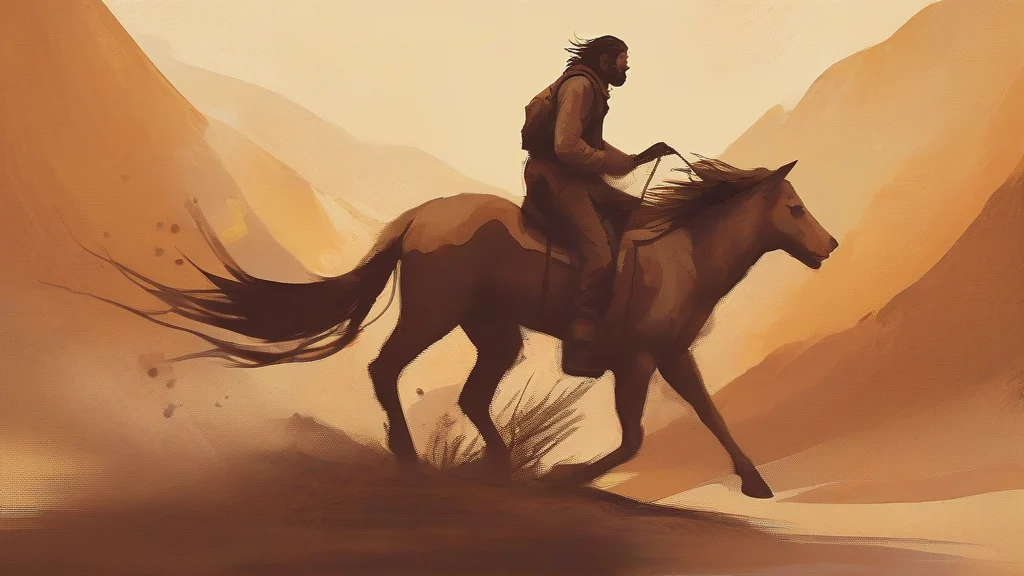
"Of all the horses, none ran wildest."
The adverbial use is less frequent than the adjectival one and is especially natural in explicit comparisons.
“Wildest” is where the adjective “wild” enters the ultimate competition.
Reviewed by Deb Chak, Editor. AI-assisted content curated by RJS Tech Solutions LLP.
Etymology of wildest
Wildest is the regular English superlative of wild, formed by adding the suffix -est. It belongs to wild, which descends from Old English wilde or wild, meaning untamed or uncultivated. Related English formations include wilderness, wildly, wildness, and compounds such as wildfire.
How wildest is actually used
Fully standard in British and American English. As a degree form, it is normally used in a comparative context and often takes the definite article, as in “the wildest.” It can be used predicatively, attributively, or adverbially.
Easily confused with wildest
“Wilder” is the comparative form of “wild,” while “wildest” is the superlative.