
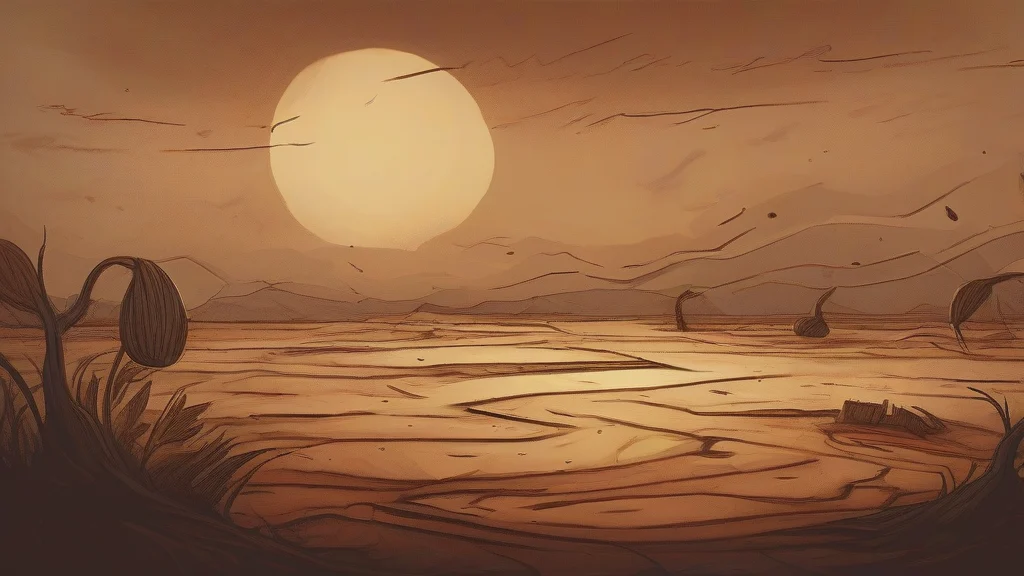
What does withering mean?
Withering means becoming dry, shriveled, faded, or depleted, especially as a plant loses moisture or as something gradually loses its strength and vitality. It is also used figuratively for criticism, looks, or remarks that express sharp contempt or leave someone feeling diminished. In a literal context, “the flowers are withering in the heat” describes deterioration caused by heat and lack of water. In figurative contexts, “a withering response” conveys severity, sarcasm, or hostility. The word can suggest either a gradual process of decline or the forceful effect of words or actions. Although its literal meaning is accessible in everyday English, its figurative uses are often more literary or emphatic, so it is especially common in formal writing, literary description, and deliberately biting speech. Withering is related to the underlying idea of drying and shriveling, but it extends readily to fading beauty, declining support, lost confidence, and verbal attacks.
Becoming or causing something to become dry, shriveled, or diminished; sharply critical or disapproving.
"The vine was withering under the relentless sun."
The figurative adjective is often literary or formal and can be deliberately severe, especially when describing criticism, looks, or remarks.
To become dry, shriveled, or lose vitality; figuratively, to lose force, importance, or effectiveness.
"The leaves began to wither after the prolonged drought."
In figurative use, the verb suggests a gradual decline, often with a sense of neglect, decay, or fading significance.
Withering grew from the image of a plant losing its moisture and slowly turning from living green to dry and brittle.
Reviewed by Deb Chak, Editor. AI-assisted content curated by RJS Tech Solutions LLP.
Where does withering come from?
The word belongs to the English verb wither, which continues an Old English Germanic ancestor meaning to dry up or become shriveled. The modern -ing form developed as a present participle and also came to function as an adjective describing an ongoing process, a damaging effect, or a sharply hostile attitude. Related forms include the past tense withered and the adverb witheringly.
Related word forms
How withering is actually used
Literal uses are common and straightforward, but figurative uses often have a literary or formal tone. Describing a person as withering is harsh, while phrases involving withering criticism or a withering smile emphasize the severity or hostility of the attitude expressed.
Easily confused with withering
Weathering means exposure to the effects of weather, whereas withering means drying, shriveling, or losing vitality.