
What does woodlice mean?
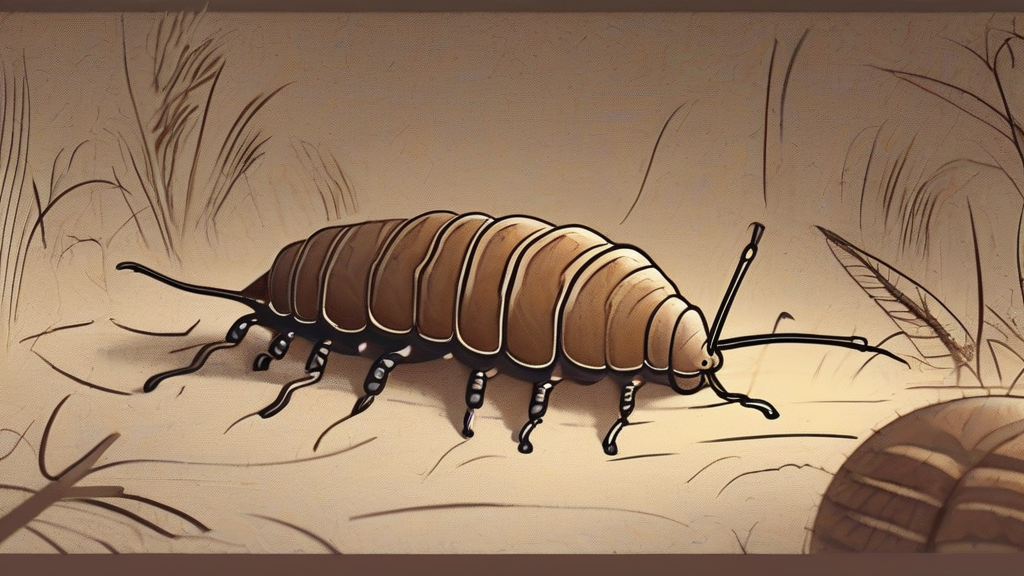
Woodlice are small, armored-looking terrestrial crustaceans related to marine isopods rather than insects. They commonly live in moist, sheltered places such as beneath logs, under stones, and among decaying leaves. Their segmented bodies, seven pairs of legs, and gradual movement can make them resemble small beetles or pill bugs, but woodlice are crustaceans and breathe through specialized moist organs rather than lungs. The word is formally plural: one such animal is a woodlouse, while a group is described as woodlice. In everyday speech, woodlice is the familiar collective name for these animals, particularly in Britain and Ireland; related names such as pill bug and sowbug are especially common in North America. Woodlice are harmless to people and help consume decaying plant material. Their preference for damp conditions is distinctive, making them frequent sights after rain in gardens, woodland, and parks.
noun (plural)Woodlice are small, segmented terrestrial crustaceans in the order Isopoda, commonly found beneath logs and in damp, decaying wood and leaf litter. The word is the standard plural of woodlouse.
- Small terrestrial isopod crustaceans commonly found in damp wood, leaf litter, and similar sheltered habitats.
"A small group of woodlice sheltered beneath the fallen branch."
"Woodlice emerged from beneath the log after the rain."
"The naturalist studied a colony of woodlice decomposing fallen timber."
Woodlice is the standard plural of woodlouse and may also be used collectively to refer to the group.
"Several woodlice were hiding under the bark."
Common woodlice have no lungs; they exchange gases through moist gills, which is why they seek out damp hiding places.
Reviewed by Deb Chak, Editor. AI-assisted content curated by RJS Tech Solutions LLP.
Etymology of woodlice
Woodlice is an English compound formed from wood and the Old English word lūs, meaning “louse.” Its irregular plural follows the established plural lice of louse, creating a form distinct from a regular compound plural. Related English forms such as lousy ultimately trace to the same Old English root, while Latin pediculus is a further cognate associated with lice and related medical terminology.
Related word forms
How woodlice is actually used
Woodlice is grammatically plural. The singular woodlouse is standard, while woodlice may also function collectively for the group as a whole.
Easily confused with woodlice
Woodlouse is the standard singular form, whereas woodlice is the plural.