
What does woolman mean?
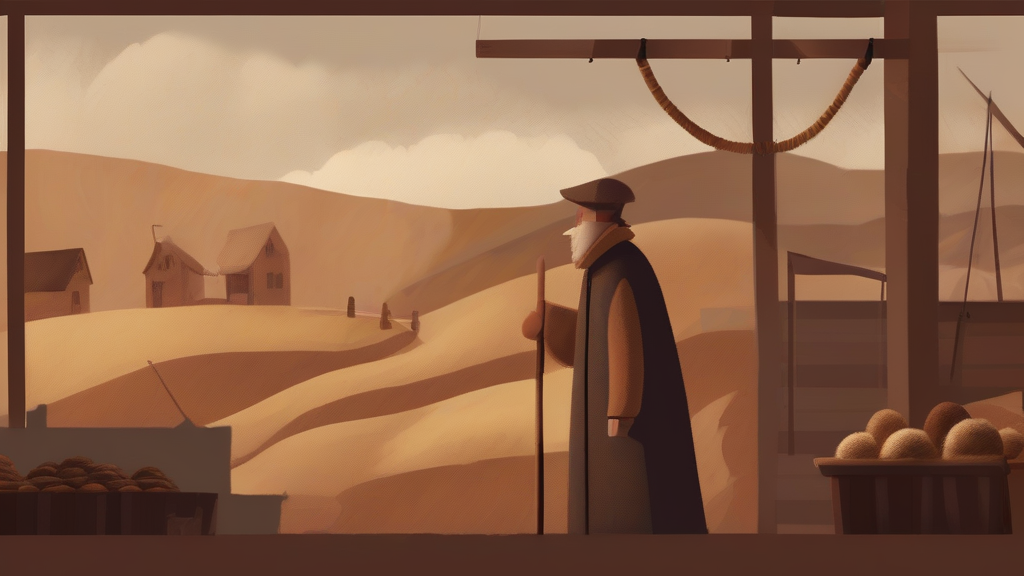
Woolman is a rare, largely historical English noun meaning a merchant or dealer in wool, especially raw fleece sold in the wool trade. It identifies a commercial intermediary rather than a shepherd, textile-mill worker, or maker of knitted goods. Older accounts may use the term for someone who bought, graded, or sold wool on behalf of producers, manufacturers, or other merchants. In present-day English, wool merchant or wool dealer is much more usual, so woolman is mostly encountered in historical texts, period sources, and discussions of earlier commerce. The word is a straightforward occupational compound: wool names the commodity, while man identifies the person associated with it. Though uncommon, it provides useful vocabulary for interpreting older business and local-history records, especially where it needs to be distinguished from woodman, an occupational term connected with timber or woodland rather than fleece.
nounA merchant or dealer in wool, especially raw wool. The term is now chiefly historical.
- A person who dealt commercially in wool or woolen goods, especially raw wool.
"The woolman weighed each batch of fleece before the auction."
"The woolman weighed each batch of fleece before the auction."
"Accounts of the fair name the woolman among the town's leading merchants."
The standard plural is woolmen, though the word itself is now chiefly found in historical prose.
"The woolmen gathered at the market to discuss the day's prices."
A woolman did not spin the wool: he traded it—a reminder that many occupational names describe the commodity rather than the manual task.
Reviewed by Deb Chak, Editor. AI-assisted content curated by RJS Tech Solutions LLP.
Etymology of woolman
Woolman is an English compound formed from wool and man. Wool derives from Old English wull, ultimately from Proto-Germanic *wullō, while man derives from Old English man; in its occupational sense, the compound denotes a person who deals in wool. Related forms such as woolen, woollen, and woolly continue the same wool root and reflect its long history in English textile vocabulary.
Related word forms
How woolman is actually used
Rare and chiefly historical in modern English; wool merchant or wool dealer is much more usual. The word can sound archaic in present-day narration unless a historical setting is intended.
Easily confused with woolman
A woolman dealt in wool, whereas a woodman worked with or dealt in timber.