
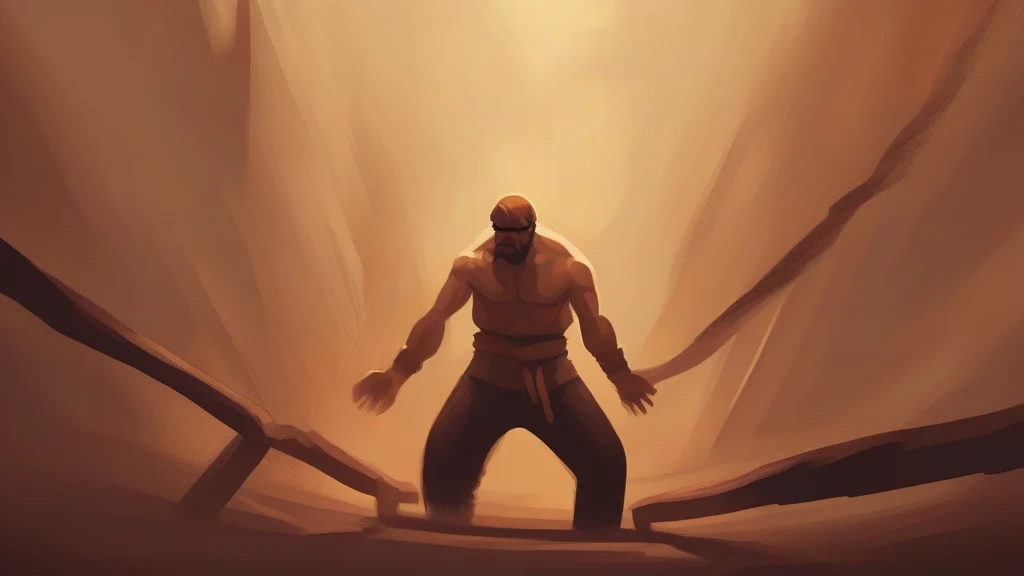
What does wrast mean?
Wrast is a chiefly Scots verb meaning to wrestle, struggle, or contend and, in another established sense, to twist, wrench, or pull something forcefully. Its range can overlap: a person may physically wrestle with an opponent, while a rope or lock may be wrast, meaning turned or pulled with effort. The word has a compact, old-fashioned sound and appears especially in Scottish writing, although related forms occur in older northern English dialect. Outside Scots and historical dialect texts, it is not normally used in contemporary standard English, where wrest, twist, or wrestle is more likely depending on the intended sense. Knowing wrast is useful chiefly because it preserves a recognizable branch of the Germanic family of twist-and-turn words and offers a vivid Scottish alternative for physical struggle and forceful handling. In literary contexts, its rarity gives it local colour, but using it in ordinary modern prose may sound deliberately archaic or dialectal.
verbA chiefly Scots verb meaning to wrestle or struggle with someone, or to twist, pull, or wrench something forcefully.
- To wrestle, struggle, or contend with someone.
- To twist, pull, or wrench something forcefully.
"The two men wrast for possession of the rope."
"He wrast the rope free from the tangled knot."
"The two boys wrast in the yard until one of them called for help."
Wrast is Scots' wrestling pincer: one word can mean to grapple with an opponent or to wrench a rope into submission.
Reviewed by Deb Chak, Editor. AI-assisted content curated by RJS Tech Solutions LLP.
Etymology of wrast
Wrast is a Scots form of wrest. Both continue Old English wræstan, meaning “to twist” or “turn,” and are ultimately associated with the Germanic family of verbs expressing twisting or forceful movement. English developed forms such as wrest and wrestle, while Scots retained the shorter form wrast.
How wrast is actually used
Chiefly literary Scots and older dialectal English. It is uncommon in contemporary standard English, where wrestle, wrest, twist, or pull would usually be preferred.
Easily confused with wrast
Wrast is a Scots form of wrest, so the two can mean the same thing, but wrast is especially associated with Scottish and older dialectal usage.