
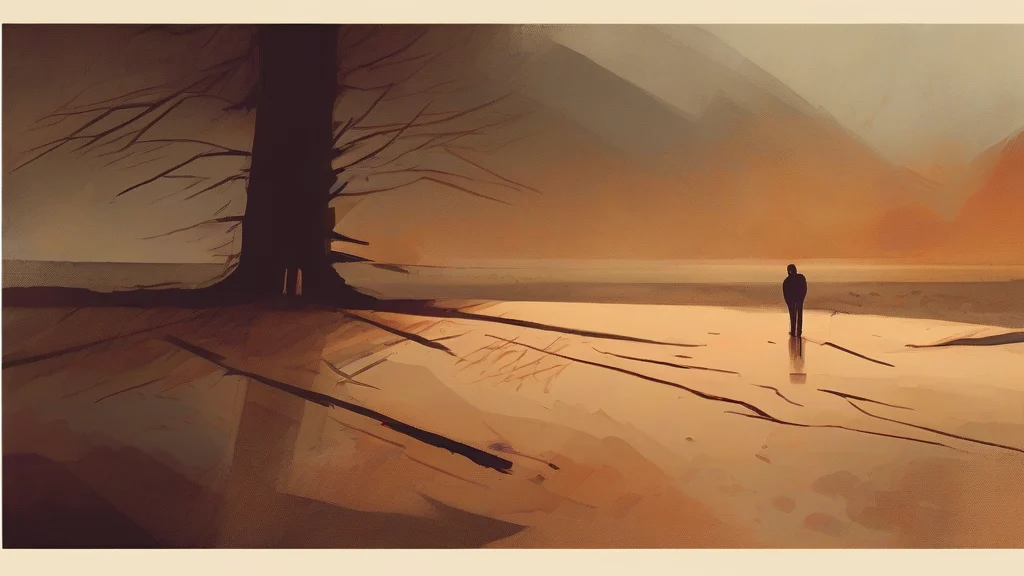
What does wretchedness mean?
Wretchedness is a formal noun meaning a state of extreme misery, unhappiness, or suffering. Its force comes from the adjective “wretched,” which can describe someone or something pitifully unhappy, inadequate, or morally degraded. As a result, “wretchedness” often suggests not merely sadness but a condition marked by prolonged hardship, hopelessness, or the grim consequences of cruelty and neglect. Literary and religious writers frequently use it for the suffering of individuals or humanity as a whole, as in “the wretchedness of mankind.” In everyday speech, a simpler word such as “misery” or “distress” is usually more natural. The word is therefore especially useful when describing suffering that is both severe and morally or socially significant. It appears in descriptions of poverty, war, displacement, oppression, and despair, while also conveying a broader judgment about the condition of the world.
nounThe state or condition of being wretched, especially extreme unhappiness, misery, or suffering. It can also refer to a deeply degraded or deplorable human condition viewed from a moral or spiritual perspective.
- Extreme unhappiness, misery, or suffering.
- A deeply degraded or deplorable human condition, especially in moral, spiritual, or social terms.
"The chronic wretchedness of the refugee camps moved visitors to intervene."
"The family endured years of wretchedness after the storm destroyed their home."
"The novel explores the wretchedness of mankind through the lives of people living on the margins of society."
The plural is rare; “wretchedness” is normally used as an uncountable noun.
"The novel depicts the different wretchednesses endured by those trapped in war zones."
Wretchedness carries two burdens at once: it can describe outward suffering and also condemn the human condition in which such suffering persists.
Reviewed by Deb Chak, Editor. AI-assisted content curated by RJS Tech Solutions LLP.
Where does wretchedness come from?
“Wretchedness” was formed in Middle English by adding the suffix “-ness” to “wretched,” which itself developed from the Old English word “wræcca,” meaning miserable or unfortunate. The noun consequently preserves the older sense of a state of severe unhappiness while extending it into moral and spiritual language. The related words “wretch” and “wretchedly” continue the same Germanic root and semantic tradition.
How wretchedness is actually used
Wretchedness is a formal or literary word with a strong, emotionally elevated tone. It is usually uncountable, though the plural wretchednesses is occasionally used. It often conveys more than ordinary unhappiness, suggesting severe suffering, moral degradation, or social deprivation.
Easily confused with wretchedness
Wretched is an adjective describing a person or thing as miserable or deplorable, whereas wretchedness is a noun naming the state of misery or degradation.