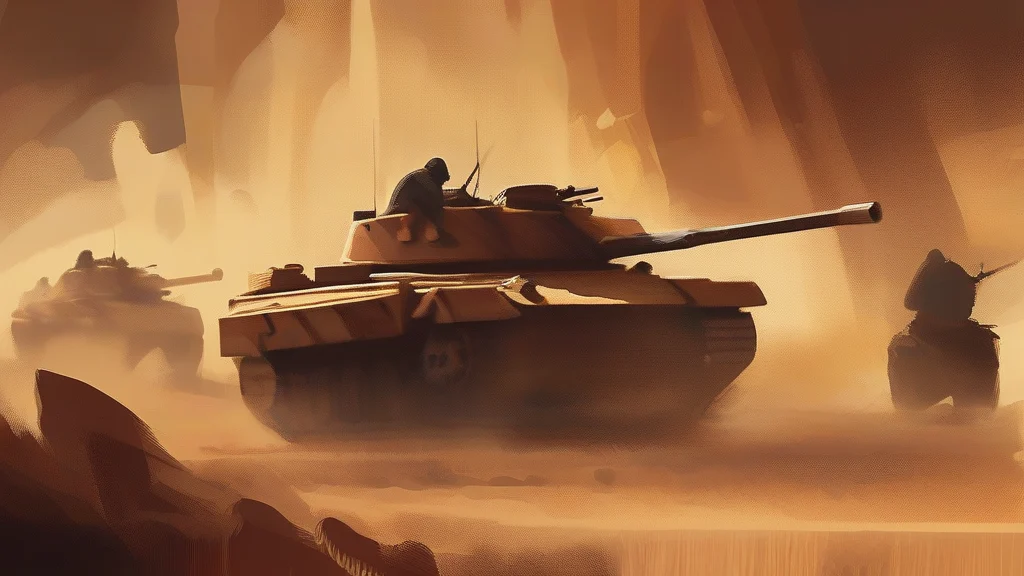
What does blitz mean?
Blitz means an intensive, sudden, and overwhelming attack or campaign. Originally a shortened form of the German word Blitzkrieg, meaning 'lightning war', it entered English during the Second World War and was first applied to the sustained German bombing of British cities in 1940–41, an event remembered simply as 'the Blitz'. Over time the word broadened far beyond its military origins: today it most often describes any intense, fast-moving burst of activity, such as a media blitz, an advertising blitz, or a police blitz on crime. In American football, a blitz is a defensive play that rushes extra players at the quarterback. As a verb, blitz means to attack or tackle something with overwhelming speed and energy. The word carries connotations of urgency, force, and concentrated effort, making it vivid shorthand whenever something is done at full intensity.
An intensive, sudden, and overwhelming attack, whether military or figurative; also, a concentrated burst of promotional or enforcement activity.
"The government announced a safety blitz targeting dangerous drivers."
To attack, overwhelm, or deal with something suddenly and with great speed and force.
"She blitzed through her emails in under an hour."
Standard plural form of the noun blitz.
"Several advertising blitzes were run throughout the year."
The word 'blitz' is short for the German 'Blitzkrieg' — 'lightning war' — the tactic that stunned Europe in 1940.
Reviewed by Deb Chak, Editor. AI-assisted content curated by RJS Tech Solutions LLP.
Etymology of blitz
Blitz derives from the German Blitzkrieg, literally 'lightning war', a term used to describe the rapid, overwhelming military tactics employed by Germany at the start of the Second World War. English speakers adopted the abbreviated form blitz during the war, applying it both to the tactics themselves and, specifically in British usage, to the German bombing campaign against London and other cities. Its figurative, non-military uses developed soon afterward and are now the dominant sense.
How blitz is actually used
Informal to neutral register. The military sense is historical but firmly established through references to WWII; the figurative senses dominate modern everyday usage. In British English, 'the Blitz' specifically denotes the German bombing campaign against Britain.
Easily confused with blitz
Glitz means flashy, glamorous showiness, while blitz refers to an intense, sudden attack or burst of activity.