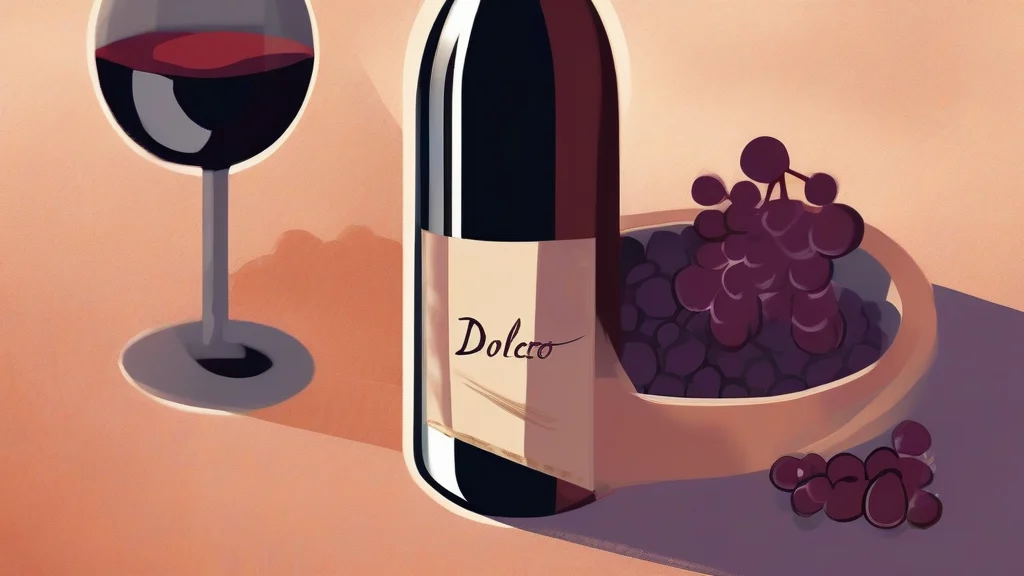
What does dolcetto mean?
Dolcetto is a black-skinned wine grape variety indigenous to Piedmont in north-western Italy, where it has been cultivated for centuries alongside better-known neighbours such as Nebbiolo and Barbera. The name comes from the Italian dolce ('sweet') with the diminutive suffix -etto, meaning 'little sweet one' — a reference to the grape's low acidity and soft, fruity character, though wines made from it are dry rather than sweet. Dolcetto wines are typically medium-bodied, deeply coloured, and marked by flavours of dark cherry, plum, and almond, with gentle tannins that make them approachable young and well suited to everyday drinking. They pair naturally with the rustic cuisine of their home region — pasta, risotto, mushrooms, and cured meats. Key denominations include Dolcetto d'Alba and Dogliani, the latter regarded as producing the most serious expressions of the variety.
nounA black-skinned red wine grape variety native to the Piedmont region of northwestern Italy, used to produce dry, softly tannic, fruity red wines; also the wine made from this grape.
- A black-skinned red wine grape variety grown mainly in Piedmont, Italy.
- A dry, fruity red wine produced from the Dolcetto grape.
"The restaurant's Piedmontese list featured a Dolcetto d'Alba that paired beautifully with the mushroom risotto."
"We opened a bottle of Dolcetto with the pizza — its low tannins and cherry fruit made it an easy match."
"In Dogliani, growers treat Dolcetto with the same seriousness their neighbours reserve for Nebbiolo."
Anglicised plural with -s is standard in English; the Italian plural dolcetti occasionally appears in specialist wine writing but is not required.
"The cellar stocked several Piedmontese dolcettos from different vintages."
Despite a name that means 'little sweet one' in Italian, Dolcetto is almost always a dry wine — the sweetness is in the fruit, not the sugar.
Reviewed by Deb Chak, Editor. AI-assisted content curated by RJS Tech Solutions LLP.
Etymology of dolcetto
The word Dolcetto derives from the Italian dolce, meaning 'sweet', itself from Latin dulcis, combined with the diminutive suffix -etto to mean 'little sweet one'. The name was applied to the grape, despite the resulting wine being dry, likely because of the variety's naturally low acidity and sweet, plump fruit. It shares this Latin root with English words such as dulcet, dolce (as in the musical direction dolce), and dolce vita. The grape has been grown in Piedmont since at least the early modern period, though precise dates of first cultivation are uncertain.
How dolcetto is actually used
Always written lowercase when referring to the grape or wine generically, but capitalised in official DOC designations such as 'Dolcetto d'Alba'. The word retains its Italian pronunciation in English wine contexts. It is a specialist term found chiefly in wine writing, retail, and restaurant menus rather than general conversation.
Easily confused with dolcetto
Both are Piedmontese red grapes often planted side by side, but Barbera is higher in acidity and typically more structured, while Dolcetto is softer and earlier-ripening.